Etar: A Guide to Bulgaria's Open-Air Ethnographic Museum
Discover traditional Bulgarian crafts, architecture and way of life at Etar, a living museum near Gabrovo in the Balkan Mountains.
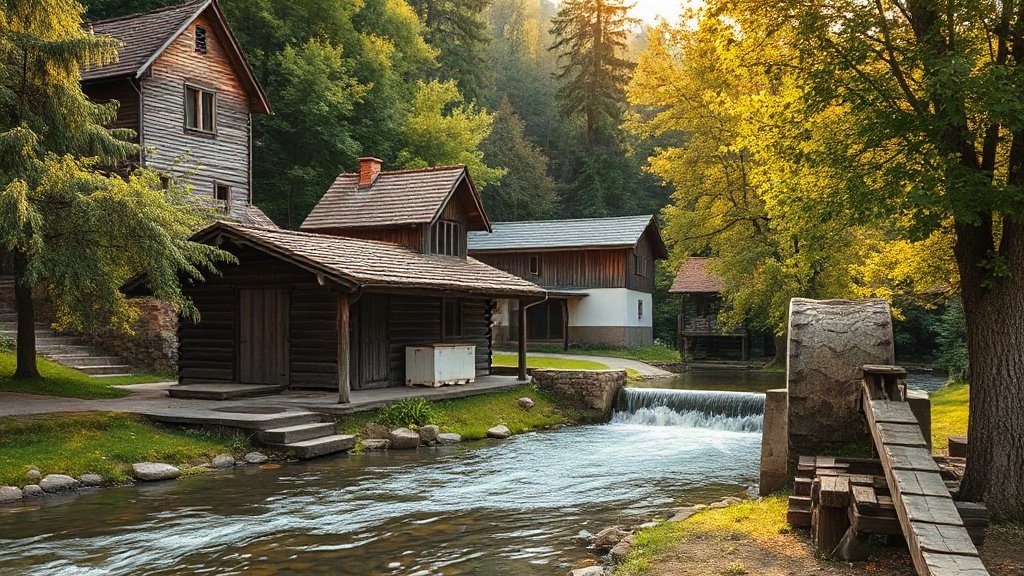
Illustration: AI-generated image
Set in a leafy valley just south of Gabrovo, Etar is Bulgaria's foremost open-air ethnographic museum. Spread across 7 hectares, it recreates a typical Bulgarian town from the 18th and 19th centuries, complete with cobbled lanes, watermills and artisans at work. Far from a dusty collection of artefacts, Etar is a living, breathing showcase of Bulgarian heritage.
The museum opened in 1964 and has since become a beloved destination for anyone interested in Bulgarian culture. Its full name, the Etar Architectural-Ethnographic Complex, reflects its dual focus: preserving both the built environment and the intangible skills of the National Revival period. This was a time when Bulgarian crafts, trade and national identity flourished under Ottoman rule, and Etar captures that spirit beautifully.
What to See at Etar
Etar's main appeal lies in its working workshops, where master craftsmen demonstrate traditional skills using period tools and methods. You can watch potters shaping clay on kick wheels, woodcarvers chiselling intricate patterns, weavers working on looms, and coppersmiths hammering vessels. Many of these workshops are powered by water from the river that runs through the complex, using original waterwheels and millraces.
The heart of the museum is a cobbled street lined with houses that showcase different regional architectural styles. Each building is furnished as it would have been in the 19th century, with period kitchens, bedrooms and work areas. Highlights include the Hadzhiyska House, the Karaivanova House and a beautifully restored clock tower. Don't miss the old bakery, where you can often smell freshly baked bread, and the sweet shop selling traditional treats like rose jam and lokum.
Planning Your Visit
Etar is about 8 km south of Gabrovo, and the drive from Sofia takes around two and a half hours via the Hemus motorway and the Shipka Pass. If you're coming from Veliko Tarnovo, it's roughly an hour's drive. Buses run regularly from Gabrovo's central bus station, and there is ample parking on site. The museum is open year-round, but spring and early autumn offer the most pleasant weather for wandering the outdoor paths.
Because Etar is entirely outdoors, wear comfortable walking shoes and dress for the weather. The terrain is uneven in places, so it's not ideal for pushchairs or wheelchairs, though the main paths are manageable. Allow at least two hours to explore at a relaxed pace, and consider bringing cash for small purchases from the craftsmen, as not all accept cards. While there is a café on site, many visitors opt to have lunch in Gabrovo, which is known for its satirical sense of humour and has several traditional mehanas.
Etar is more than just a museum; it's a journey back to a time when craftsmanship was a way of life. Whether you're watching a water-powered lathe turn a wooden bowl or sipping freshly brewed herbal tea from a clay cup, you'll leave with a deeper appreciation for Bulgaria's rural heritage.