Chitalishte: Bulgaria's Community Cultural Centres and Their Living Legacy
Discover the chitalishte, a uniquely Bulgarian institution that has fostered reading, theatre, music and community life for over 160 years.

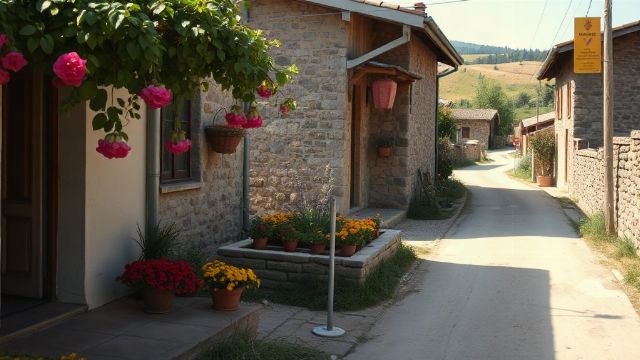
Illustration: AI-generated image
Walk into almost any Bulgarian town or village and you will find a chitalishte (читалище) — a community cultural centre that has been the heart of local life for over a century and a half. Often housed in a handsome old building, the chitalishte is far more than a library or a theatre: it is a place where people of all ages gather to read, rehearse, dance, sing, learn traditional crafts and celebrate their heritage. For visitors and new residents, understanding the chitalishte offers a window into Bulgaria's communal spirit and enduring love of culture.
What is a chitalishte?
The word chitalishte comes from the Bulgarian verb cheta, meaning 'to read', and the institution first emerged in the mid-19th century during the National Revival, when Bulgaria was still under Ottoman rule. The first chitalishta were founded by local intellectuals, teachers and merchants who wanted to spread literacy, preserve the Bulgarian language and foster national identity. They combined a reading room, a library, a theatre stage and a space for lectures and discussions. Today, the chitalishte remains a legally recognised community institution, supported by local municipalities and membership fees, and there are thousands across the country.
A place for every generation
Step inside a typical chitalishte and you may hear the strains of a folk orchestra rehearsing, see children practicing traditional dances, or find a group of pensioners discussing a new book. Many chitalishta run amateur theatre groups, choirs, dance ensembles, art classes and language courses. They also organise celebrations for holidays such as Baba Marta, Trifon Zarezan and Christmas, keeping customs alive. Some have small museums or ethnographic collections, while others host visiting performers and exhibitions. The chitalishte is deliberately inclusive: anyone can become a member for a modest annual fee, and activities are often free or very low cost.
Architecture and atmosphere
Many chitalishte buildings are architectural gems, dating from the late 19th or early 20th century. They often feature a prominent facade, a large hall with a stage, and cosy reading rooms lined with books. In smaller villages, the chitalishte may be the grandest building after the church, a symbol of community pride. Inside, you will find a noticeboard with upcoming events, a library with Bulgarian and sometimes foreign-language titles, and a warm, welcoming atmosphere. Visitors are usually greeted with curiosity and hospitality; attending a performance or a lecture is a wonderful way to experience local culture firsthand.
Why it matters today
In an age of digital entertainment, the chitalishte remains remarkably relevant. It provides a physical space for face-to-face interaction, intergenerational learning and the transmission of intangible cultural heritage. For Bulgarians living abroad, the chitalishte is often a nostalgic symbol of home; for newcomers, it is an open door to Bulgarian traditions. Whether you want to learn a folk dance, borrow a book, watch a play or simply meet your neighbours, the local chitalishte is the place to start.