Bulgaria's Wine Industry: A Blend of Tradition and Growing Global Reach
From ancient Thracian roots to modern EU-recognised wine regions, Bulgaria's vineyards offer a compelling story for investors and importers.
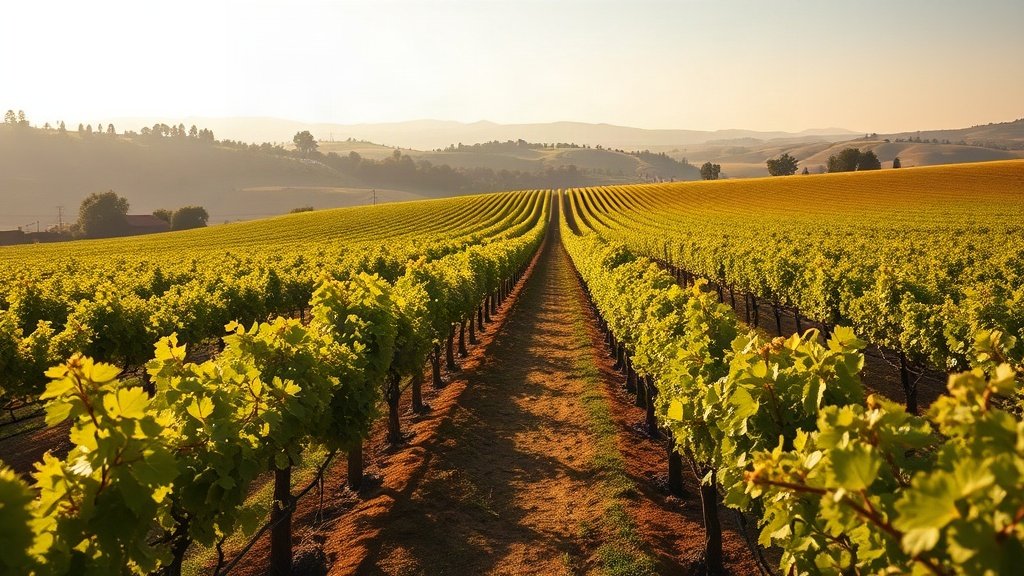
Illustration: AI-generated image
Bulgaria is one of the world's oldest wine-producing countries, with a viticultural heritage that stretches back thousands of years to the ancient Thracians. Today, the country is quietly reclaiming its place on the international wine map, offering a compelling mix of tradition, unique indigenous grape varieties, and modern production standards. For importers, investors, and wine enthusiasts, Bulgaria presents an intriguing opportunity that blends history with commercial potential.
Deep Historical Roots
Wine has been made in the lands of modern Bulgaria since at least 3,000 BC. The Thracians, who inhabited the region, worshipped Dionysus and cultivated vines extensively. Later, under Roman and Byzantine rule, winemaking flourished. During the socialist era, Bulgaria became one of the world's largest wine exporters, though much of that production focused on quantity over quality. After a period of decline in the 1990s, the industry has undergone significant modernisation, with many small and medium-sized wineries emerging to focus on premium wines.
Distinctive Wine Regions and Grapes
Bulgaria is divided into five main wine regions: the Danubian Plain in the north, the Black Sea coast in the east, the Rose Valley in the centre, the Thracian Valley in the south, and the Struma Valley in the southwest. Each region has its own microclimate and soil types, contributing to a wide diversity of wine styles.
What truly sets Bulgaria apart, however, is its array of indigenous grape varieties. Mavrud, a red grape grown mainly in the Thracian Valley, produces rich, tannic wines with notes of dark fruit and spice. Melnik, from the Struma Valley, yields robust reds with a distinctive earthy character. Other notable native varieties include Pamid, Gamza, and Dimiat. International varieties such as Cabernet Sauvignon, Merlot, and Chardonnay are also widely planted, often blended with local grapes to create unique expressions.
Business Opportunities
Bulgaria's wine industry has been steadily gaining international recognition, with exports growing particularly in European markets. The country's EU membership ensures that all wines meet strict quality and labelling standards, giving buyers confidence. For importers, Bulgarian wines offer an attractive price-to-quality ratio, often undercutting more established wine regions while delivering distinctive flavours. For investors, the relatively low cost of land and labour, combined with favourable climatic conditions, makes Bulgaria an appealing destination for vineyard development or winery acquisition.
There is also a growing wine tourism sector, with many wineries opening tasting rooms, restaurants, and guest houses. This presents additional business opportunities in hospitality and agritourism, particularly in the scenic Thracian Valley and along the Black Sea coast.
A Future Built on Heritage
Bulgaria's wine industry is at an exciting juncture. With a new generation of winemakers blending traditional techniques with modern technology, the country is producing wines that are both authentically Bulgarian and globally competitive. For anyone interested in the business of wine, Bulgaria offers a story worth exploring—one rooted in ancient history but looking firmly towards the future.