Bulgaria's Seasonal Produce: A Month-by-Month Guide
From cherries in June to cabbage in November, here's what to look for at Bulgarian markets throughout the year.
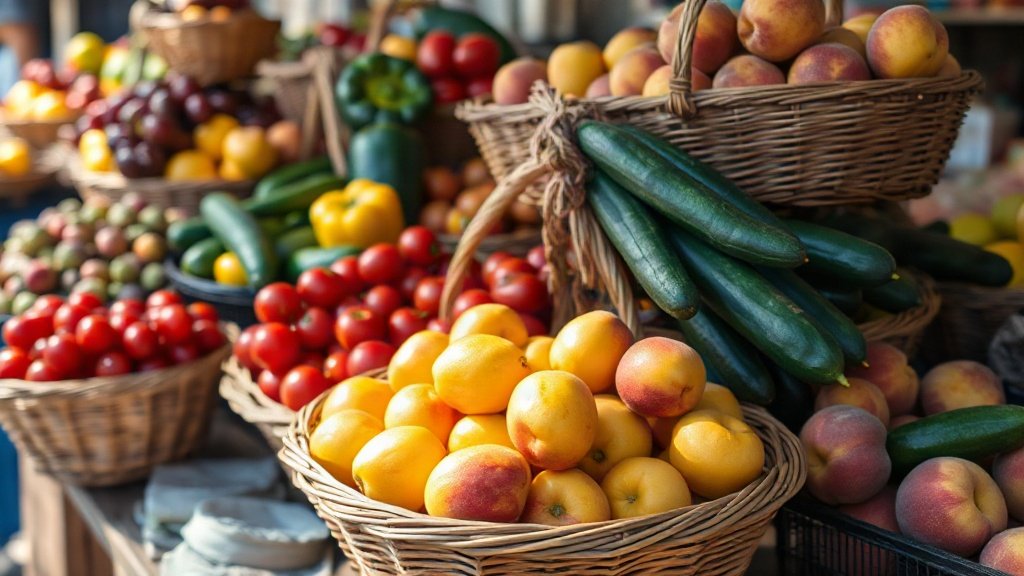
Illustration: AI-generated image
If you shop at Bulgaria's green markets, you'll quickly notice that the best produce is whatever is in season. Locally grown fruits and vegetables are fresher, tastier and often more affordable. Knowing what to expect each month helps you plan meals and make the most of the country's rich agricultural calendar. Here is a practical month-by-month guide to the seasonal highlights you are likely to find.
Spring: April and May
After the winter months of stored apples, cabbage and root vegetables, spring brings the first tender greens and early berries. In April, look for fresh spinach, sorrel, green garlic and spring onions. Green garlic is a particular favourite, used to flavour stews and salads. By May, strawberries arrive from the southern regions, followed by cherries towards the end of the month. Early lettuces, radishes and cucumbers also appear, signalling the start of salad season.
Early Summer: June
June is a transitional month when strawberries are at their peak and cherries become abundant. Apricots from the Thracian Valley start to appear, along with the first peaches and nectarines. Vegetables are plentiful: tomatoes, cucumbers, peppers, courgettes and aubergines all come into season. This is also when you will see the first green beans and peas. It is a great time for fresh salads and light dishes.
High Summer: July and August
These are the months of true abundance. Tomatoes are at their sweetest, and peppers of all kinds—from sweet bell peppers to hot chillies—fill the market stalls. Aubergines, courgettes, green beans and sweetcorn are also at their best. Melons and watermelons dominate the fruit stands, along with grapes from early ripening varieties. Plums and early apples appear towards the end of August. This is the time for making lutenitsa, roasting peppers for winter, and enjoying the classic Shopska salad.
Autumn: September and October
As the weather cools, the markets shift to heartier produce. Grapes are at their peak, and many families buy them in bulk for winemaking or to eat fresh. Apples and pears become the main fruits, while quinces and pomegranates add variety. Root vegetables return: carrots, parsnips, celeriac and beetroot. Pumpkins and squash are plentiful, perfect for roasting or making tikvenik. Cabbage and leeks appear, and by late October, the first frosts signal the start of the sauerkraut season.
Late Autumn and Winter: November to March
From November onwards, the market is dominated by stored produce. Cabbage, both fresh and fermented, is a winter staple, along with potatoes, onions and garlic. Apples and pears keep well in cold storage, and citrus fruits from southern Europe and Turkey supplement the local supply. In February and March, greenhouse-grown greens and early radishes begin to appear, bridging the gap until spring. This is also the time for dried beans, lentils and other pulses, which are available year-round but especially popular in winter stews.
Remember that exact availability varies depending on the region and the weather. The best way to learn is to visit your local market regularly and talk to the vendors—they will happily tell you what is freshest that day.