A Guide to Wine Tasting in Bulgaria: Regions, Tips and Etiquette
Discover Bulgaria's ancient wine heritage through its diverse wine regions. Learn what to expect from cellar visits, how to taste like a local, and which grape varieties to seek out.

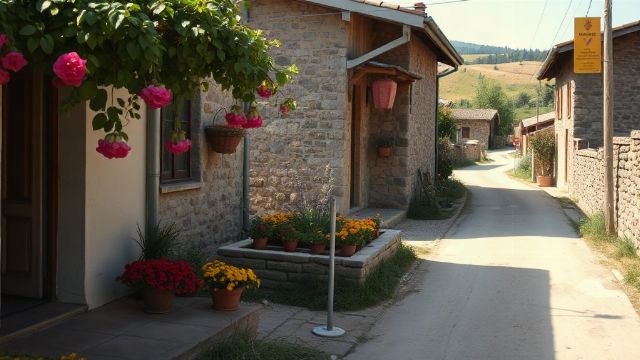
Illustration: AI-generated image
Bulgaria's wine story stretches back thousands of years, yet its modern wine tourism scene remains wonderfully approachable. Unlike more famous European wine destinations, a tasting here often feels personal — you might be hosted by the winemaker themselves, in a cellar that has been in the family for generations. This guide explains how to make the most of that experience, from choosing a region to understanding local customs.
The Main Wine Regions
Bulgaria is divided into five primary wine-growing areas, each with its own character. The Thracian Valley in the south is renowned for full-bodied reds, particularly from the Mavrud grape. Further west, the Struma Valley around Melnik produces bold, dark wines from the local Shiroka Melnishka vine. The Rose Valley, famous for its oil-bearing roses, also yields elegant whites and sparkling wines. Along the Black Sea coast, you'll find crisp whites suited to seafood, while the Danubian Plain in the north is known for both reds and whites, often from international varieties like Cabernet Sauvignon and Chardonnay.
When planning, consider the landscape as much as the wine. Thracian Valley wineries often sit among ancient archaeological sites, while Melnik's sandstone cliffs create a dramatic backdrop.
What to Expect from a Cellar Visit
Most wineries welcome visitors by appointment, and many offer tours that walk you through the production process, from fermentation tanks to barrel rooms. Tastings typically include four to six wines, often accompanied by local cheeses, cured meats and fresh bread. Some cellars also serve traditional dishes like kavarma or sach if you book a meal in advance.
The pace is unhurried. You're encouraged to ask questions, and hosts often share stories about the vintage, the vineyard's history, or family traditions. Don't be surprised if a tasting ends with a glass of rakia, the country's beloved fruit brandy, as a digestif.
Indigenous Grapes to Look Out For
While many wineries grow international varieties, the real excitement lies in Bulgaria's indigenous grapes. Mavrud is the star of the Thracian Valley — a deeply coloured red with notes of dark berries, spice and sometimes a hint of tobacco. Gamza, grown mainly in the north, produces lighter, fruit-forward reds. Melnik (sometimes called Shiroka Melnishka Loza) gives robust, age-worthy wines with earthy complexity. For whites, seek out Dimyat and Misket, both aromatic and often off-dry.
Tasting these varieties side by side is one of the best ways to understand Bulgarian terroir. Many cellars offer vertical tastings or comparative flights that showcase local grapes against international ones.
Practical Tips and Etiquette
- Book ahead: Most wineries are small and visits are by appointment only.
- Dress comfortably: Cellars can be cool, and you may walk through vineyards.
- Pace yourself: Tastings are generous; consider designating a driver or hiring a local guide.
- Ask about food pairings: Winemakers often love to suggest local dishes that complement their wines — from grilled meats to aged sirene cheese.
- Buying is welcomed, not expected: There's no obligation, but taking a bottle home is a lovely way to support small producers.
If you're visiting during harvest time (usually September to October), some wineries allow guests to participate in grape picking or watch the crush — a memorable experience if you can time it right.
Wine and Food: A Natural Pairing
Bulgarian wine culture is inseparable from its cuisine. A robust Mavrud pairs beautifully with kavarma or grilled kebapche, while a crisp Dimyat complements fish from the Black Sea. Many wineries now offer food pairing menus, blending local recipes with their own vintages. Even if you don't do a full meal, a simple platter of lukanka, kashkaval and fresh bread will elevate the tasting.
Ultimately, wine tasting in Bulgaria is less about ceremony and more about hospitality. Embrace the relaxed pace, enjoy the stories, and you'll leave with a deeper appreciation for one of Europe's oldest wine lands.