A Guide to Bulgarian Name Days: Celebrating Your Saint's Day
In Bulgaria, your name day often matters more than your birthday. Learn how the tradition of imen den works and how to take part with confidence.
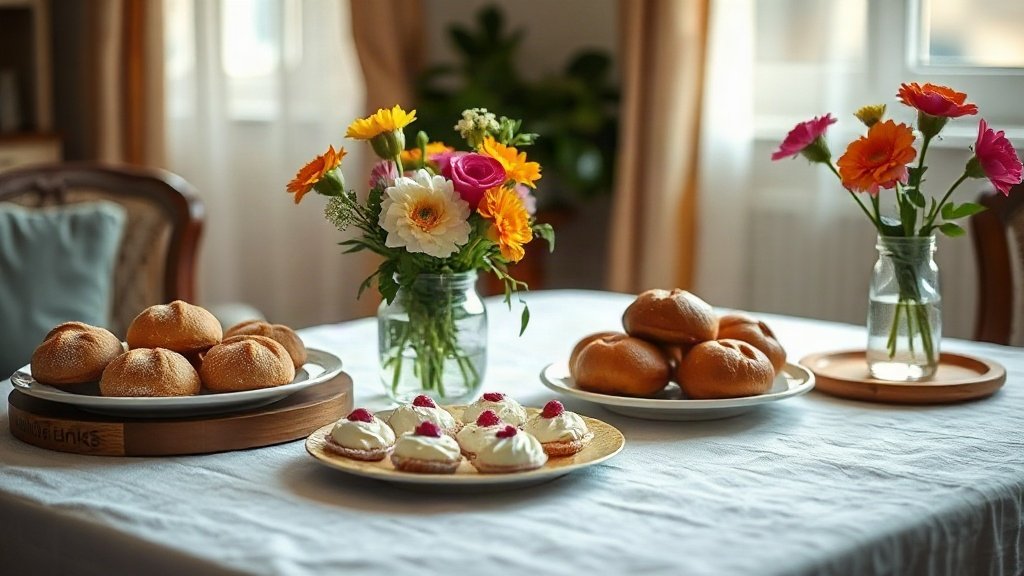
Illustration: AI-generated image
In Bulgaria, your name day (imen den) is often more important than your birthday. Rooted in Orthodox Christian tradition, it celebrates the saint after whom you are named, and it is marked with open-house gatherings, sweets and well-wishing. If you live here or plan to stay for a while, understanding name days will help you feel at home and avoid missing an important social occasion.
What is a name day?
Most Bulgarians carry the name of a Christian saint, and each saint has a feast day in the church calendar. On that day, everyone named after the saint – and often their close relatives – receives congratulations and visits. For example, anyone named Georgi or Gergana celebrates on St George's Day (Gergyovden), while Ivans and Ivankas mark Ivanovden in January. The link between name and date is so strong that many people simply know their name day by heart and expect others to as well.
Unlike birthdays, which are private and often celebrated with a small circle, name days are public by nature. The tradition has roots in the belief that your patron saint protects you, so the day is an occasion for gratitude, hospitality and community.
How Bulgarians celebrate
A typical name day celebration is an open house. The person whose day it is will stay at home and welcome guests throughout the day – friends, relatives, neighbours, colleagues. There is no need for a formal invitation; anyone who knows the person and remembers the date can drop by. Guests usually bring a small token: a box of chocolates, a bouquet of flowers, a bottle of wine or rakia, or a simple "Chestit imen den!" (Happy name day!).
Hosts prepare sweet and savoury treats in advance. The table often includes banitsa, boiled wheat with sugar and walnuts, homemade cakes, and plenty of coffee and soft drinks. In the past, children would go from house to house to congratulate name-day celebrants and receive sweets in return; today, the custom survives mainly in smaller towns and villages.
Name day greetings are warm but not elaborate. The standard phrase is "Chestit imen den!" – literally "Happy name day!" – and it is used for everyone from close friends to acquaintances. If you cannot visit in person, a phone call or message is perfectly acceptable.
Practical tips for newcomers
If you live or work with Bulgarians, ask about their name days early on. Many people appreciate a reminder, especially if you have a shared calendar. A wall calendar from a Bulgarian publisher usually marks major saint days, and many online Bulgarian calendars list them as well.
When you are invited to someone's home on a name day, arrive with a small gift or at least some sweets. You do not need to stay long – half an hour to an hour is typical – and you can come at almost any time during the afternoon or early evening. If you cannot attend, sending a text message with "Chestit imen den!" is always welcome.
Some name days are so widely celebrated that they feel like public holidays even when they are not. On St George's Day in May, for example, you will hear the greeting all day, and many shops and offices operate on a reduced schedule. The same applies to Ivanovden in January and Dimitrovden in October.
Finally, do not worry about remembering every single name day. Bulgarians are unlikely to be offended if a foreigner forgets, but making an effort will always be met with a smile.