A Beginner's Guide to Bulgarian Horo: Joining the Circle Dance
Horo is Bulgaria's communal circle dance, found at every celebration. Learn the basic steps and etiquette so you can join in with confidence.
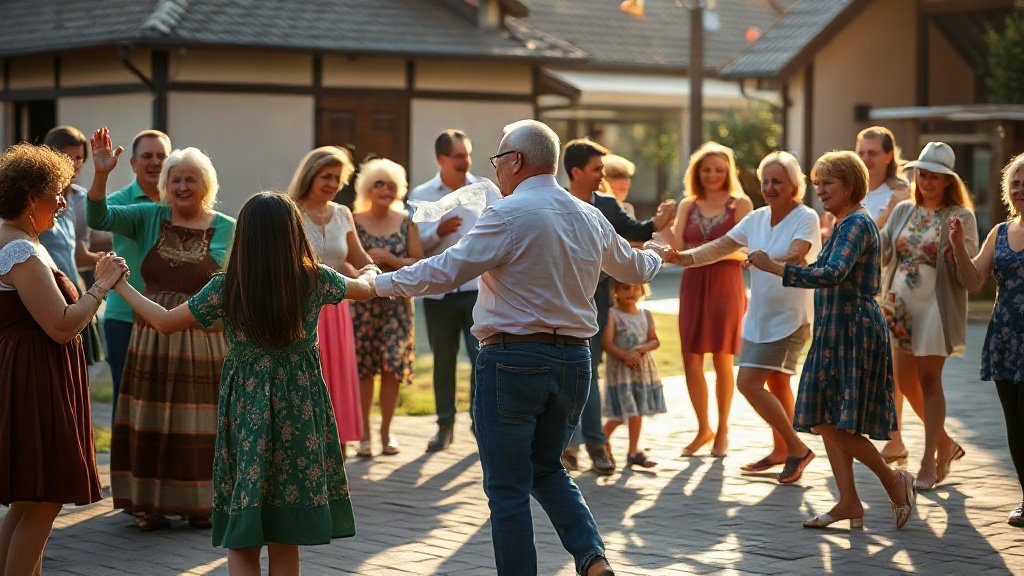
Illustration: AI-generated image
If you spend any time in Bulgaria, you will inevitably encounter the horo (хоро) — a lively circle dance that brings people together at weddings, festivals, and even spontaneous gatherings in the street. For newcomers, the sight of dozens of people stepping in unison can be intimidating, but the horo is famously welcoming. With a few simple pointers, you can join the circle and feel like a local.
What is Horo?
Horo is a traditional Bulgarian line or circle dance, usually performed to music with an odd time signature, such as 7/8 or 11/16. Dancers hold hands, belts, or shoulders, and move in a coordinated pattern of steps. The dance varies by region — some are slow and stately, others fast and energetic — but the basic principle is the same: everyone follows the leader, who controls the direction and pace.
How to Join the Circle
The most important rule of horo is that the circle is open. You do not need an invitation; simply find a gap, take the hand of the person next to you, and follow their lead. However, avoid joining at the very front unless you know the steps, as the leader sets the choreography. A good place for beginners is near the end of the line, where you can watch the feet of more experienced dancers.
Basic Steps to Get Started
While each horo has its own pattern, many share a common foundation. Start with a simple side-step: step to the right with your right foot, bring your left foot to meet it, then step to the right again and kick your left foot slightly forward. The key is to stay relaxed and let your body bounce with the rhythm. Don’t worry about perfection — the experienced dancers will guide you, and most Bulgarians are delighted to see foreigners trying.
Etiquette and Tips
- Hold hands firmly but gently. The grip is usually at waist height, with arms relaxed.
- Follow the leader, not the music. The leader may change steps or direction unexpectedly, so watch their feet.
- Don’t break the circle. If you need to rest, step out quickly and let the line close.
- Wear comfortable shoes. Many horos involve hopping or fast footwork, so avoid heels or slippery soles.
- Smile and enjoy. Horo is about community joy, not technical perfection.
Where to Learn and Practice
Folk dance clubs and community centres (chitalishta) across Bulgaria offer regular horo lessons, often free or for a small fee. Many towns hold open-air horo evenings in the summer, and you can also learn by watching videos online or attending cultural festivals. Once you master the basics, you’ll find that horo is not just a dance — it’s a way to connect with Bulgarian culture and make new friends.