Why Bulgarians Shake Their Heads for Yes and Nod for No
A simple guide to Bulgaria's famously reversed head gestures, so you can avoid confusion in everyday conversations.
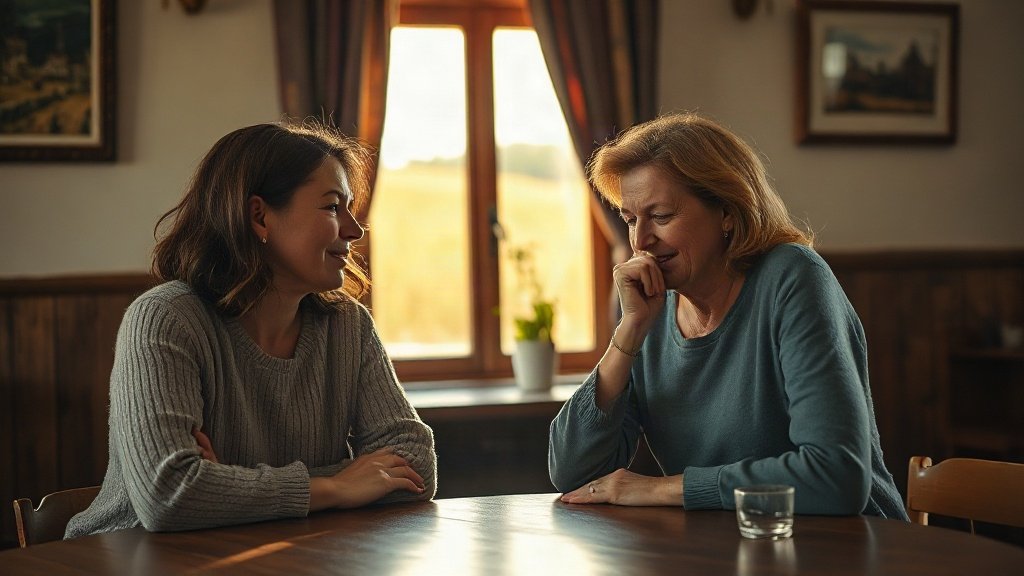
Illustration: AI-generated image
If you're new to Bulgaria, one of the first things you'll notice is that the locals seem to say 'no' when they mean 'yes' and 'yes' when they mean 'no'—at least with their heads. The famous reversal of head gestures is one of the most puzzling yet endearing aspects of Bulgarian communication. Understanding it will save you from countless awkward moments at the market, in the office, or at the dinner table.
The Reversed Head Gestures
In most of the world, nodding your head up and down means 'yes' and shaking it from side to side means 'no'. In Bulgaria, it's exactly the opposite. A Bulgarian will shake their head from side to side to indicate agreement, and nod up and down to indicate disagreement. This can feel completely counter-intuitive, and even long-term expats sometimes catch themselves doing the 'wrong' gesture.
The origins of this reversal are not fully documented, but it's a deeply ingrained habit that has survived centuries. Some linguists suggest it may be linked to the Ottoman period, when Bulgarians would deliberately reverse the gestures to confuse occupying forces. Whatever the reason, it's an essential part of everyday communication today.
Don't worry if you get it wrong at first—Bulgarians are used to foreigners' confusion and will usually clarify with words if they see you hesitate.
Other Common Non-Verbal Cues
Beyond the head shake and nod, Bulgarians use a rich repertoire of gestures that can also differ from what you might expect.
- Clicking the tongue: A light 'tsk' sound, often accompanied by a slight upward tilt of the head, means 'no' or 'I don't agree'. It's not rude, just informal.
- Waving with the palm facing inward: To beckon someone, Bulgarians usually extend the arm and curl the fingers toward the body, with the palm facing up. To wave goodbye, the palm faces outward and moves side to side.
- Shrugging with raised eyebrows: A quick lift of the eyebrows, often with a slight shrug, can mean 'I don't know' or 'whatever'.
- Counting on fingers: Bulgarians typically start counting with the thumb, not the index finger. Holding up the index and middle fingers together (like a peace sign) might be interpreted as the number two, but it's worth being aware of local habits.
Tips for Newcomers
To navigate everyday interactions smoothly, keep these practical points in mind:
- When in doubt, use words. A clear 'da' (yes) or 'ne' (no) will remove any ambiguity, especially in important situations like agreeing to a contract or confirming a medical appointment.
- Observe local patterns. Watch how shopkeepers, neighbours, and colleagues respond to simple questions. The reversed gestures will soon become second nature to you.
- Be patient with yourself. It can take months to adjust. Many expats report that they eventually switch automatically when speaking Bulgarian, but revert to standard head gestures when speaking their native language.
- Teach your visitors. If family or friends visit, give them a quick heads-up so they don't misunderstand a friendly 'no' during a conversation.
Embracing this quirk is part of settling into Bulgarian life. It's a small window into the country's unique cultural identity, and once you master it, you'll feel a little more local.





