Vitosha Mountain: A Guide to Sofia's Backyard Wilderness
Just a short trip from the capital, Vitosha offers year-round outdoor adventures from gentle forest walks to challenging summit climbs and winter ski runs.
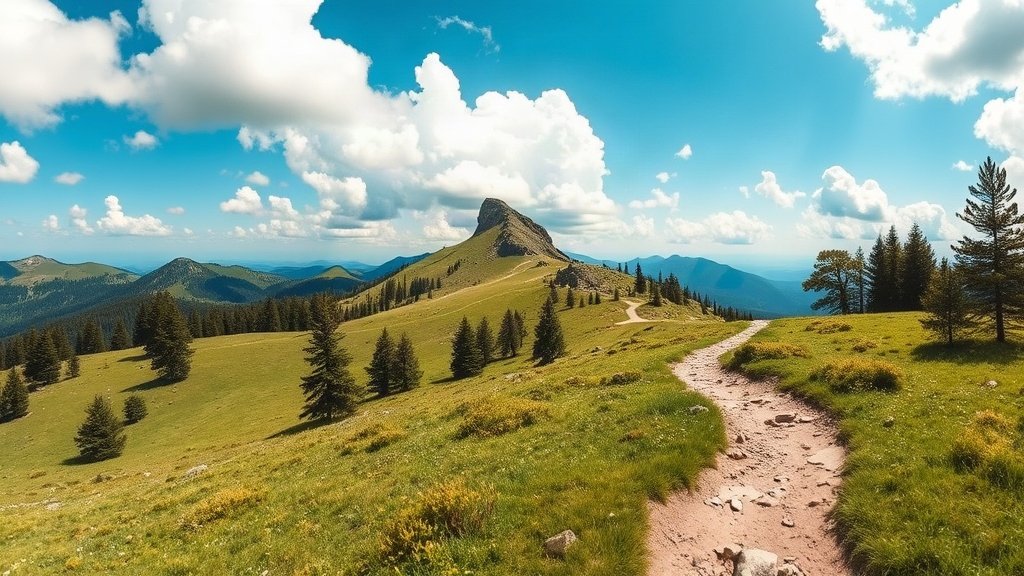
Illustration: AI-generated image
Rising to 2,290 metres at Cherni Vrah (Black Peak), Vitosha Mountain is Sofia’s natural playground and the fourth highest mountain in Bulgaria. Its proximity to the capital makes it a favourite escape for locals and visitors alike, offering everything from leisurely strolls through ancient pine forests to demanding alpine ascents. In winter, the mountain transforms into a ski destination, while spring brings waterfalls and blooming meadows.
Getting There
The mountain is easily reached from Sofia by public transport. Bus routes from the city centre connect to key trailheads such as Aleko Hut, the starting point for many hikes. The Simeonovo cable car and the Dragalevtsi chair lift have historically provided access to higher slopes, but even without lifts, the mountain remains accessible by road and well-marked trails. For those driving, several car parks are available near popular entry points.
Hiking Trails for Every Level
Vitosha’s trail network is extensive and well signposted. Beginners can enjoy the gentle paths around the Boyana area, leading to the Boyana Waterfall – a short but rewarding walk through beech forest. More experienced hikers can tackle the ascent to Cherni Vrah, which takes roughly three to four hours from Aleko Hut and offers panoramic views across Sofia and, on clear days, as far as the Rila and Balkan mountains. The ridge walk from Cherni Vrah to the nearby peaks of Reznyovete and Skoparnik is a classic route for seasoned trekkers.
Winter Sports and Snow Fun
During the colder months, Vitosha becomes a convenient ski destination. The ski area near Aleko Hut features several pistes suitable for beginners and intermediate skiers, as well as a snowboard park. Cross-country skiing and snowshoeing are also popular, with marked trails across the plateau. Equipment rental is available on site, though it’s wise to book ahead during peak season.
Nature and Wildlife
The mountain is part of Vitosha Nature Park, Bulgaria’s oldest protected area, established in 1934. Its diverse habitats support a variety of wildlife including deer, wild boar, and over 200 bird species. The stone rivers (moreni) – vast fields of boulders formed by glacial activity – are a distinctive feature of the landscape, particularly on the higher slopes. The park’s flora includes rare alpine species such as the Vitosha tulip, which blooms in early summer.
Practical Tips
- Check weather conditions before setting out; the mountain can change quickly and fog is common.
- Wear sturdy footwear and carry layers, as temperatures drop significantly with altitude.
- Most trailheads have mountain huts offering simple food and drink, but it’s best to carry water and snacks.
- In winter, adhere to avalanche warnings and stick to marked pistes.
- The mountain is accessible year-round, but some roads and facilities close after heavy snowfall.
Whether you have a few hours or a full day, Vitosha offers a refreshing dose of nature on Sofia’s doorstep. Its blend of accessibility and wild beauty makes it a must-visit for any traveller to Bulgaria.