Todorovden: Bulgaria's Spring Celebration of Horses and St. Theodore
Todorovden, Bulgaria's Horse Easter, is a spring tradition honouring horses with ritual breads, blessings, and horse races on the first Saturday of Great Lent.
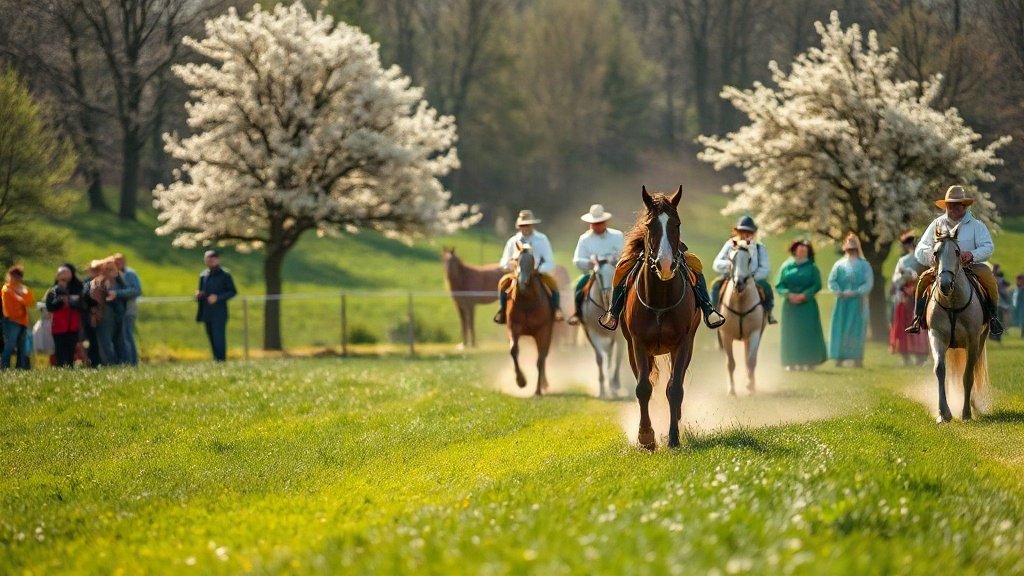
Illustration: AI-generated image
Each spring, as the first Saturday of Great Lent approaches, Bulgarian villages prepare for Todorovden, a day devoted to horses and the patron saint of horses, St. Theodore. Known colloquially as Horse Easter, Todorovden is one of the country's most beloved folk customs, blending Orthodox Christian faith with pre-Christian rituals tied to agriculture and animal husbandry.
Origins and Date
Todorovden falls on the first Saturday of the six-week Orthodox Great Lent, which usually occurs in February or March. The feast honours St. Theodore Tyro, a Roman soldier and martyr venerated in the Eastern Orthodox Church. In Bulgarian folk tradition, St. Theodore is considered the protector of horses, and the day is marked by specific customs aimed at ensuring the health and fertility of these essential farm animals.
Rituals and Traditions
On the morning of Todorovden, women traditionally bake ritual breads known as kravai or kolaci, often shaped like horseshoes or decorated with dough figures of horses. These breads are blessed and then given to neighbours, family, and especially to the horses themselves. The horses are groomed, their manes and tails braided with red threads or ribbons, and they are led to a water source where they are allowed to drink after the bread has been dipped in the water.
Another key custom is the horse race, known as kushiya. Young men compete on horseback, and the winner is awarded a special gift, traditionally a new shirt or towel. The race is both a sporting event and a ritual act, symbolising speed and strength for the coming agricultural year.
Horse Blessings and Health
In many regions, a priest or an elder performs a blessing over the horses, sprinkling them with holy water and praying for their well-being. Horse owners also observe certain prohibitions: it is considered unlucky to work the horses on this day, and they are given a rest from ploughing and other heavy labour.
The Ritual Bread and Food
The Todorovden bread is often made with a special shape: a round loaf with a hole in the middle, through which the horse is made to look, or small breads shaped like horses. These breads are sometimes mixed with herbs believed to have healing properties. Alongside the bread, families prepare a festive meal, often including boiled wheat, beans, and other Lenten dishes, as the day falls during the fasting period.
Modern Celebrations
Today, Todorovden remains a vibrant tradition in rural Bulgaria, with many villages organising public horse races and cultural programmes. For visitors, it offers a glimpse into the deep connection between Bulgarians and their horses, a bond that has shaped the country's agricultural heritage for centuries. While the rituals have evolved, the core spirit of gratitude and respect for these noble animals endures.