The Shevitsa: Bulgaria's Embroidered Language of Colour and Symbol
Discover the rich symbolism and regional variety of the shevitsa, the traditional embroidery that decorates Bulgarian folk costumes, and learn how these patterns tell stories of identity, protection and belonging.
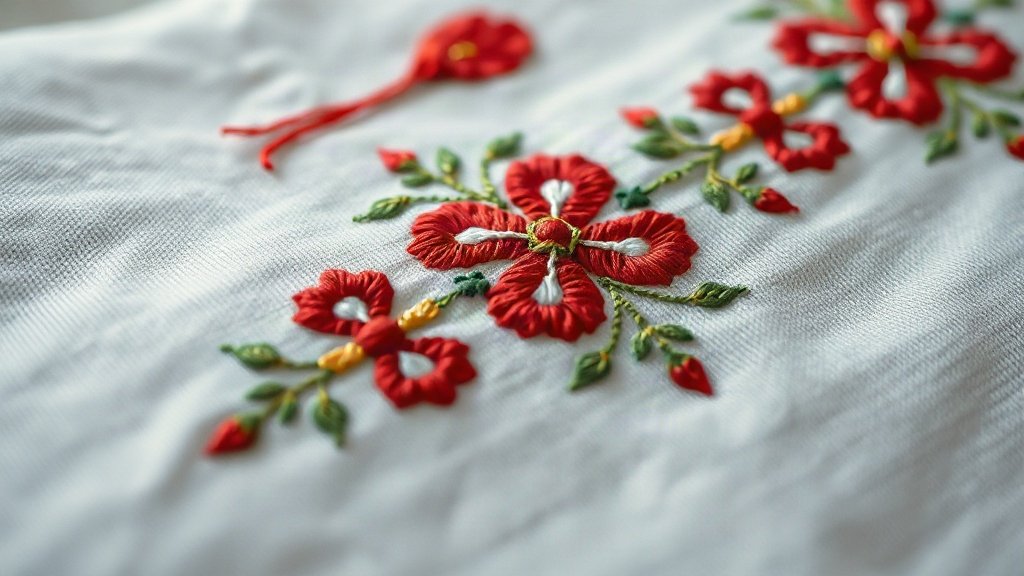
Illustration: AI-generated image
Bulgarian folk costume is a canvas of colour, but its most distinctive element is perhaps the shevitsa – the intricate embroidery that adorns sleeves, collars, hems and aprons. More than decoration, these stitched patterns are a language of their own, carrying messages about a person's region, social status and beliefs. For centuries, the shevitsa has been a living tradition, passed down through generations of women who sat at the loom or the embroidery frame, creating works of art with needle and thread.
A code of symbols
The word shevitsa comes from shev, meaning seam or stitch, but the embroidery itself goes far beyond simple stitching. Each motif is a symbol. Diamond shapes, for example, are often linked to fertility and the earth. Stylised flowers represent life and growth. The tree of life is a common image, its branches reaching upward. Crosses and rosettes offer protection against evil. Zigzag lines mimic snakes or lightning, both powerful forces in folk belief. Colours also carry meaning: red, the dominant hue, symbolises life, health and blood; black can represent the earth or mourning; green is youth and nature; gold and yellow evoke the sun and divine light.
These symbols were not chosen at random. A girl embroidering her own dowry would stitch her hopes for marriage, children and prosperity into every sleeve and skirt. The patterns acted as a kind of silent speech, understood by everyone in the village. Outsiders could read a woman's origin and status simply by looking at her costume.
Regional styles: a geography of stitches
Bulgaria's ethnographic regions each developed their own embroidery traditions, distinguishable by technique, colour and motif. In the Shop region around Sofia, embroidery tends to be geometric and dense, often worked in red and black on white linen. The Pirin region in the southwest is known for its bright colours and floral patterns, sometimes with silk thread. The Rhodope Mountains favour wool embroidery on dark fabrics, with bold, simple designs. Along the Danube plain, you'll find white-on-white openwork and delicate floral borders. In Thrace, in the south, the embroidery is exceptionally fine, with many colours and elaborate motifs like the sun and peacocks.
These differences are not just aesthetic; they reflect the available materials, local customs and historical influences. Yet all share a common thread: a love of symmetry, rhythm and symbolism.
Technique and tradition
Traditional shevitsa is embroidered by hand using a variety of stitches: cross-stitch, straight stitch, chain stitch, and the distinctive povrazka (a raised, looped stitch). Threads were originally wool, later cotton and silk, coloured with natural dyes from plants and minerals. The fabric base was typically hand-woven linen or cotton, sometimes hemp. Embroidery was done on a frame or freehand, and the most skilled embroiderers could create incredibly even, geometric patterns without counting threads.
The craft was taught from mother to daughter, and every girl was expected to master it before marriage. Her trousseau, including embroidered shirts, aprons, headscarves and socks, was a display of her skill and patience. Some of these heirloom pieces survive today in museums and private collections, their colours still vibrant after a century or more.
The shevitsa today
Though everyday folk costume has long been replaced by modern clothing, the shevitsa has not disappeared. It remains central to stage costumes for folk ensembles, and it is worn with pride at festivals, weddings and other celebrations. Many Bulgarians keep a traditional embroidered shirt or apron as a family treasure. In recent years, designers have incorporated shevitsa motifs into contemporary fashion, from dresses to T-shirts to accessories, giving the ancient patterns a new life. Embroidery workshops and online communities are reviving interest, and young people are learning the stitches their grandmothers knew.
For anyone visiting Bulgaria, seeing authentic shevitsa up close is a treat. Museums of ethnography in Sofia, Plovdiv, Varna and smaller towns display complete costumes with detailed embroidery. In a world of fast fashion and mass production, the shevitsa stands as a reminder of the beauty that can be created with patience, skill and a deep connection to one's heritage.





