The Horo: Bulgaria's Circle Dance and How to Join In
The horo is a traditional Bulgarian circle dance performed at weddings, festivals and village squares. Here's what it is, where to see it, and how to step in.
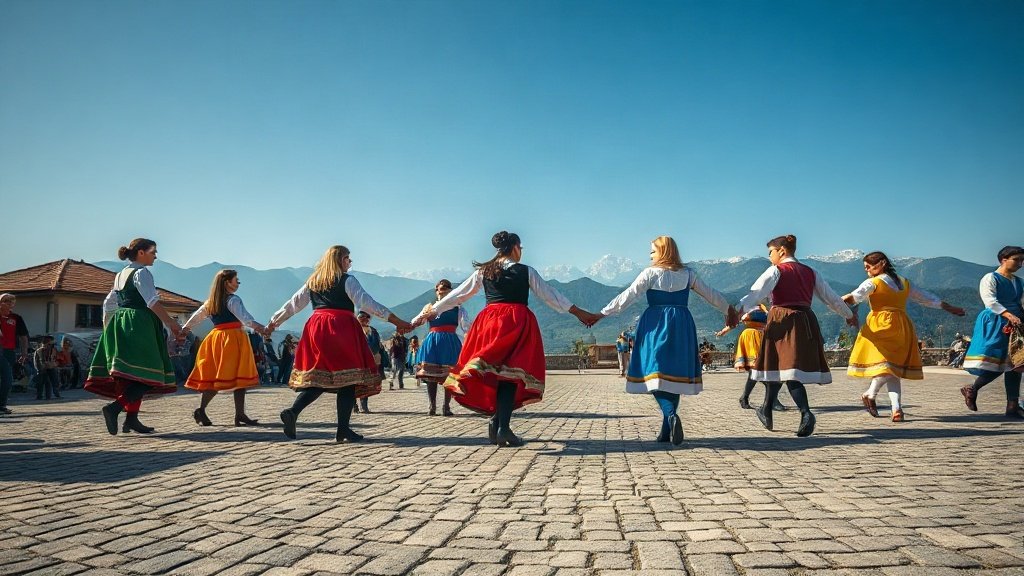
Illustration: AI-generated image
The horo is more than a dance in Bulgaria — it is a living thread that ties communities together. Performed in a circle, often with hands linked or resting on neighbours' belts, the horo has been part of Balkan life for centuries. Whether at a wedding, a village fair, or a spontaneous gathering in a town square, the sight of a horo forming is a sure sign that celebration is underway.
What exactly is a horo?
A horo is a traditional line or circle dance, usually led by a dancer at one end who guides the group through changing steps. The leader may wave a handkerchief or a small flag, and the rest follow in unison. The steps range from simple walking patterns to intricate cross-steps and quick footwork, depending on the region and the music. The rhythm is typically uneven — think 7/8 or 9/8 time — which gives Bulgarian folk music its distinctive, slightly off-balance feel that many foreigners find both puzzling and addictive.
Regional variations
Bulgaria's diverse ethnographic regions have produced dozens of horo styles. In the north, the danubian horo is often lively and bouncy. The shopski horo from the west is fast and energetic, with sharp, precise steps. The thracian horo is smoother and more flowing, while the pirinski horo from the southwest has a distinctive, almost springy quality. Each village may have its own local variant, and dancers take pride in knowing the steps of their home region.
Where to see a horo
You don't need to wait for a special invitation. During the summer, many towns and villages hold open-air folk festivals where horo dancing is the main event. The national festival in Koprivshtitsa, held every five years, is the largest gathering of folk dancers and musicians, but smaller local events happen throughout the year. In Sofia, informal horo groups sometimes gather in parks on weekend mornings. Simply follow the sound of bagpipes (gaida) or a drum, and you'll likely find a circle forming.
How to join in
Joining a horo is welcomed, but there are a few points of etiquette to keep in mind. First, never break the circle — always join at the open end, never in the middle. Take the hand of the person next to you, or place your hand lightly on their belt if that is the style. Watch the leader carefully and follow their steps; even if you stumble, people will happily guide you. If you're a beginner, start at the end of the line where the steps are usually simpler. Above all, smile — the horo is about shared joy, not perfection.
Learning a few basic horo steps before your trip can be a wonderful way to connect with locals. Many Bulgarian cultural centres abroad offer classes, and online videos can give you a taste. Once you've danced a horo under the stars with strangers who have become friends, you'll understand why Bulgarians say the dance never really ends — it just pauses until the next celebration.





