Starting a Bed and Breakfast in Rural Bulgaria: A Practical Guide
Turn a traditional village house into a welcoming guesthouse. Here’s what you need to know about location, legalities, renovation and marketing for a successful rural B&B in Bulgaria.
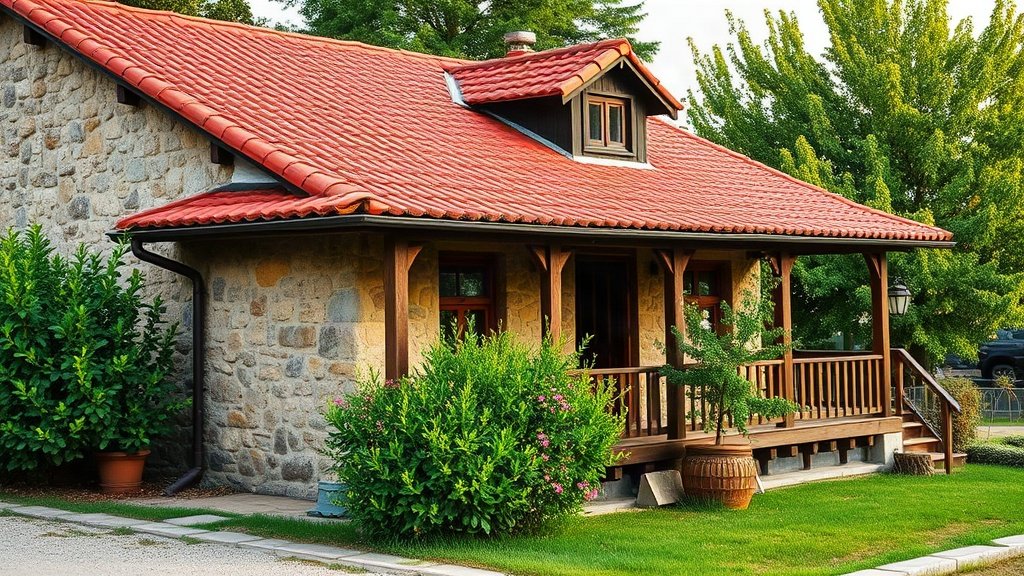
Illustration: AI-generated image
Bulgaria’s countryside is dotted with picturesque villages, many of which are seeing a revival thanks to rural tourism. For those dreaming of a slower pace of life and a hospitality business, opening a bed and breakfast in a traditional Bulgarian house can be a rewarding venture. This guide walks you through the key steps, from picking a location to welcoming your first guests.
Choosing the right village
Location is everything. Look for a village that is within easy reach of a major town or city, has some existing tourist appeal, and offers a genuine rural atmosphere. Proximity to natural attractions, cultural sites, hiking trails, or wineries can make your B&B more attractive. Villages in the Rhodope Mountains, the Balkan range, or near the Black Sea coast often have strong potential. Spend time in the area before committing: talk to locals, check the infrastructure, and assess how easy it is for guests to reach you by car or public transport.
Legal and registration basics
To operate a B&B in Bulgaria, you must register as a business and comply with the national Tourism Act. Most small guesthouse owners register as sole traders or set up a limited company. Your property will need to be categorised as a guesthouse or a family hotel, which involves meeting specific standards for room size, facilities, and services. The categorisation process is handled by the local municipality or the Ministry of Tourism. You will also need to register with the local tax office and, if you serve food, comply with food safety regulations. It is wise to consult a local lawyer or accountant to ensure you meet all current requirements.
Renovating with local character
Many rural Bulgarian houses are built in a traditional style with stone foundations, wooden beams, and large verandas. Preserving these features can be a major selling point. When renovating, aim to retain the authentic character while adding modern comforts. Insulation, heating, and reliable plumbing are essential, especially if you plan to welcome guests year-round. Use local materials and craftsmen where possible; this not only supports the village economy but also helps your B&B blend into its surroundings. A beautiful garden or a courtyard with outdoor seating can add significant value.
Furnishing for comfort
Guests expect a certain level of comfort even in a rural setting. Invest in good-quality beds, blackout curtains, and efficient heating or cooling. Each room should have its own bathroom, unless you aim for a more rustic experience, but private facilities are now standard. Add local touches such as handwoven textiles, pottery, or traditional woodwork. Provide extras like local maps, guidebooks, and information about nearby attractions. A shared lounge or dining area where guests can mingle is also a plus.
Marketing your B&B
Word of mouth is powerful, but you will also need an online presence. Create a simple website with high-quality photos and clear information about your rooms, amenities, and the surrounding area. List your property on major booking platforms that cater to rural and boutique accommodation. Engage with local tourism organisations and consider joining regional initiatives that promote rural stays. Offering breakfast made with local produce, organising activities like hiking or cooking classes, and being a warm host will encourage positive reviews and repeat visits.
Starting a B&B in rural Bulgaria takes dedication and a fair amount of paperwork, but the rewards can be significant. By choosing the right location, respecting local traditions, and focusing on guest comfort, you can build a business that benefits both you and the community.





