Sladko: Bulgaria's Sweet Spoon Preserves You Should Try
Discover sladko, Bulgaria's traditional whole-fruit preserves served by the spoonful as a sweet gesture of hospitality. Learn how it's made and how to enjoy it.
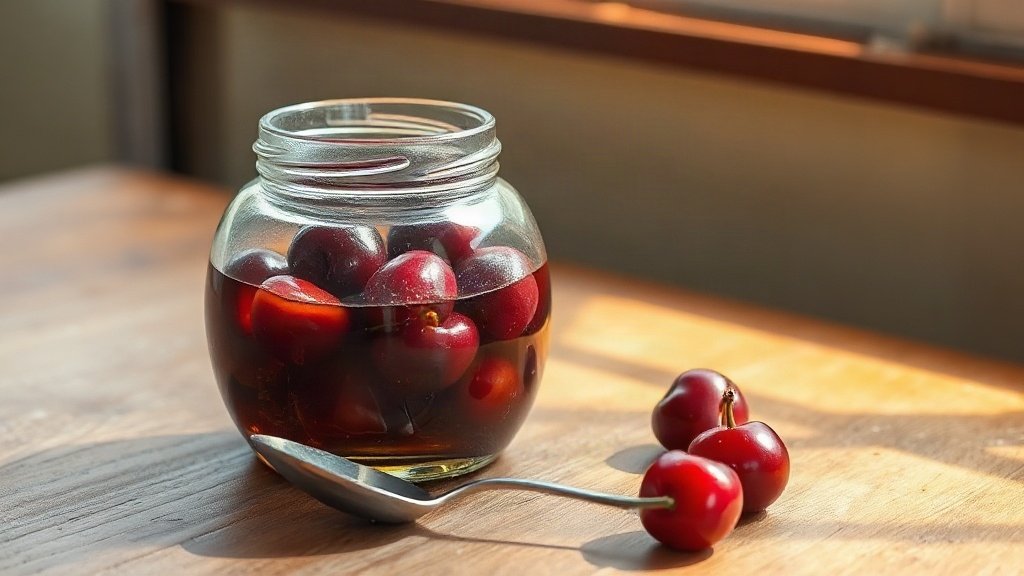
Illustration: AI-generated image
If you have ever been welcomed into a Bulgarian home, chances are you were offered a small dish of glistening fruit suspended in thick, amber syrup. This is sladko, a cherished sweet preserve that holds a special place in Bulgarian hospitality and culinary tradition.
What is sladko?
Sladko, which literally means "sweet" in Bulgarian, is a type of preserve made by gently cooking whole fruits or vegetables in a sugar syrup until they become translucent and tender. Unlike jam or marmalade, the fruit pieces remain whole and distinct, floating in a clear, fragrant syrup. The result is something between a compote and a candied fruit, eaten with a spoon rather than spread on bread.
This style of preserve is common across the Balkans and Eastern Mediterranean, known as "slatko" in Serbia, "glyko" in Greece, and similar names elsewhere. In Bulgaria, it is deeply rooted in rural traditions, where it was a way to preserve the summer's bounty for the colder months and a symbol of welcome for guests.
How sladko is made
The basic method is simple but requires patience. Fresh, firm fruit is washed, sometimes peeled or pitted, and then simmered in a heavy sugar syrup. The syrup is typically made from sugar and water, sometimes with a squeeze of lemon juice or a splash of rose water for extra aroma. The fruit is added and cooked slowly over low heat, often over several hours or even days, with the syrup being reheated and poured over the fruit repeatedly. This gentle process helps the fruit absorb the sugar without breaking apart, resulting in plump, jewel-like pieces in a thick syrup.
Popular fruits and flavours
Almost any fruit can be used for sladko, but some are more traditional than others. Here are a few favourites:
- Quince (dyuli): perhaps the most classic, with a delicate floral aroma and a beautiful rosy colour after cooking.
- Cherries (chereshi): whole sour cherries in syrup, often with the pits left in for extra flavour.
- Green figs (zeleni smukini): small, unripe figs that become soft and honeyed.
- Green walnuts (zeleni orehi): a speciality pickled in their shells before being candied, traditionally made for St. George's Day.
- Strawberries (yagodi): whole wild or garden strawberries, delicate and sweet.
- Rose petals (rozov list): from the Damask rose, producing an intensely fragrant sladko unique to Bulgaria's Rose Valley.
- Aubergine (patladzhan): surprisingly, small aubergines are also candied, producing a sweet, unusual treat.
How to serve and enjoy sladko
Traditionally, sladko is offered to guests as a sign of welcome, often alongside a glass of cold water and a cup of strong Turkish coffee. The host spoons a generous portion into a small glass or ceramic dish, and the guest eats it with a teaspoon, savouring the sweet syrup and the tender fruit. It is not meant to be eaten in large quantities; a couple of spoonfuls are enough to satisfy a sweet tooth.
Beyond its role in hospitality, sladko can be enjoyed in many ways: spooned over plain yoghurt or ice cream, stirred into porridge, layered in cakes, or simply eaten on its own as a small dessert. It also makes a thoughtful edible gift, especially when presented in a pretty jar.
If you are in Bulgaria, look for sladko at local markets and small shops, where it is often sold in glass jars by home producers. Or try making your own with seasonal fruit this summer—it is a rewarding way to capture the taste of the season and to share a genuine piece of Bulgarian hospitality.





