Shopska Salad: Bulgaria's Colourful Summer Staple
Shopska salad is more than a starter – it’s a symbol of Bulgarian summer, made with tomatoes, cucumbers, peppers, onion, parsley and grated sirene cheese.
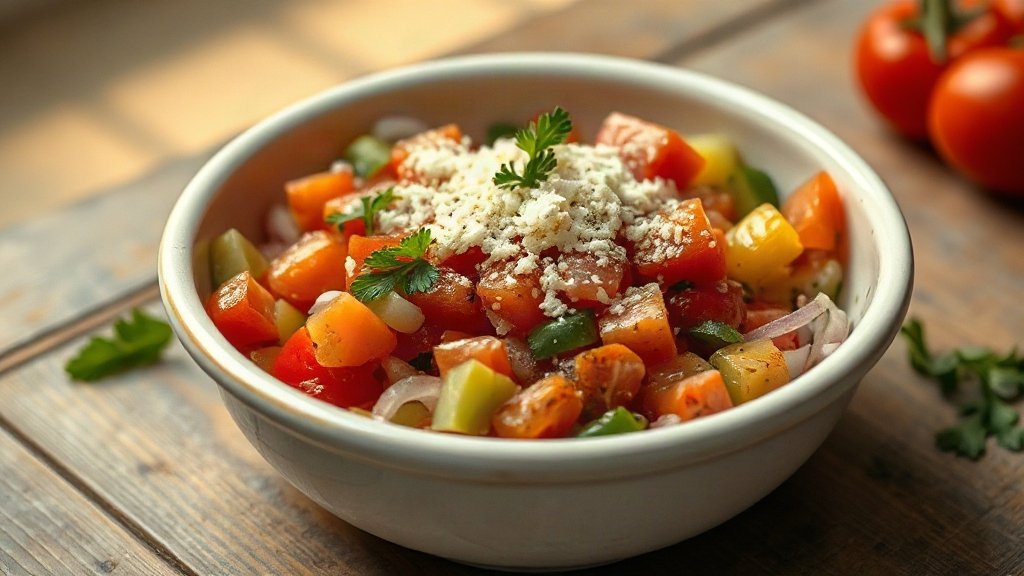
Illustration: AI-generated image
Shopska salad is one of the first dishes any visitor to Bulgaria will encounter, and for good reason. It is fresh, colourful and incredibly simple, yet it captures the essence of Bulgarian summer cooking. Made from just a handful of raw ingredients, it is served in homes and restaurants across the country all year round, but it truly shines when tomatoes are ripe and the weather is warm.
What goes into a Shopska salad?
The classic recipe calls for tomatoes, cucumbers, raw or roasted peppers, onion, fresh parsley and a generous topping of grated sirene cheese – Bulgaria's brined white cheese. The vegetables are chopped into small cubes and mixed together, with the cheese sprinkled on top like snow. A dressing of sunflower oil and a little vinegar, usually red wine vinegar, brings everything together. Salt is added carefully, as the sirene is already quite salty.
A salad with a story
The name comes from the Shopluk region, a cultural area around Sofia and western Bulgaria, though the salad itself was likely created in the mid-20th century as part of a national culinary identity. It was promoted as a symbol of Bulgarian tourism, and its colours – red, green, white – echo the national flag. Today it is so beloved that it is considered the national salad, and it appears on almost every menu.
How to make it at home
Making Shopska salad is straightforward, but a few details make a difference. Use ripe, sweet tomatoes; avoid ones that are too watery. Cucumbers should be crisp, and if the skin is thick, peel it partially. The peppers are traditionally roasted, peeled and chopped, but many home cooks use raw green peppers for convenience. The onion is usually a mild white or red onion, finely chopped. Mix the vegetables with salt, oil and vinegar, then top with crumbled or grated sirene. If sirene is unavailable, feta is a common substitute, though the flavour is sharper. Serve immediately with fresh bread, or as a side to grilled meats, rakia or a cold beer.
Variations and serving
Some cooks add a pinch of dried savoury (chubritsa) or a few olives. In winter, when tomatoes are less flavourful, the salad may be made with roasted peppers and less tomato. It is always served cold, often as a starter or meze, but it can also be a light lunch on its own. The key is freshness – nothing should be overcooked or overcomplicated.
Shopska salad is more than a salad; it is a point of national pride. It is often the first thing Bulgarians order when they sit down to eat, and it pairs beautifully with a glass of rakia or a light white wine. Because it requires no cooking, it is a staple of summer gardens and beachside restaurants, but it also brightens winter tables, a reminder of sunnier days.