Shkembe Chorba: Bulgaria's Hearty Tripe Soup You Should Try
A guide to shkembe chorba, the traditional Bulgarian tripe soup with garlic and vinegar, and how to enjoy it like a local.
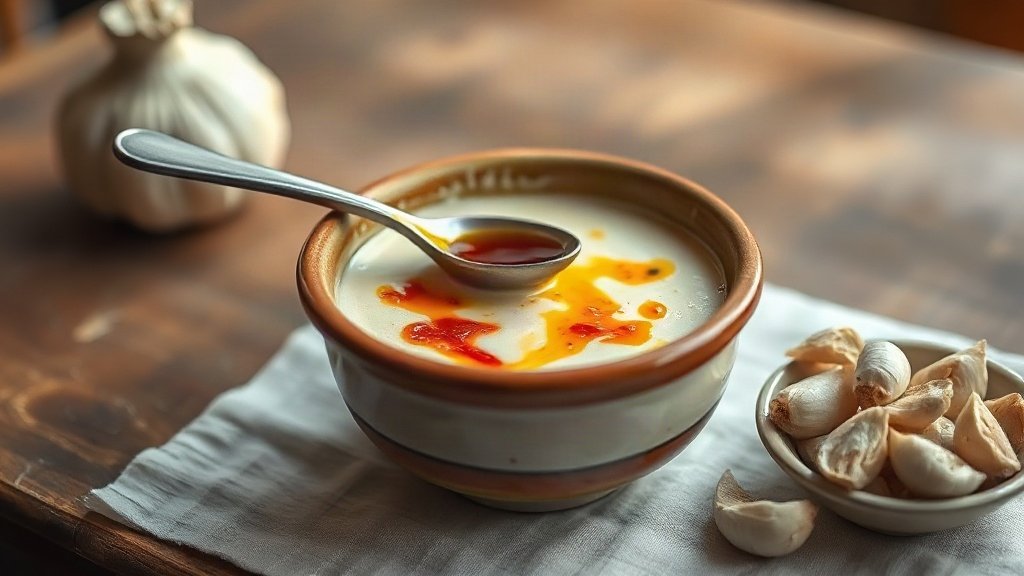
Illustration: AI-generated image
Few dishes divide opinion quite like shkembe chorba. This traditional Bulgarian soup, made from slow-cooked tripe, is either loved for its rich, comforting depth or politely avoided by the uninitiated. But for many Bulgarians, it is the ultimate late-night meal and a cherished national staple.
What is Shkembe Chorba?
Shkembe chorba is a hearty soup made from beef or lamb tripe (the stomach lining), simmered for hours until tender, then thickened with milk or a flour roux and seasoned generously with paprika and garlic. The name comes from the Turkish word işkembe for tripe, reflecting centuries of Ottoman influence on Balkan cuisine.
The soup has a creamy, slightly tangy base, with pieces of tripe that are chewy yet soft. It is traditionally served piping hot, accompanied by a small bowl of crushed garlic mixed with vinegar and a sprinkle of hot red pepper flakes. Diners add these to taste, transforming the soup into a pungent, invigorating bowl.
A Dish with Deep Roots
While versions of tripe soup exist across the Balkans and the Middle East, shkembe chorba has become firmly woven into Bulgarian food culture. It is a mainstay of mehanas (traditional taverns) and simple neighbourhood eateries, often served from early morning until late at night.
The soup is particularly associated with recovery after a long evening of celebration. Many Bulgarians swear by a bowl of shkembe chorba with extra garlic and vinegar as a remedy for a hangover, though the science is debated. Regardless, its reputation as a restorative comfort food is undisputed.
How It's Made
Making shkembe chorba from scratch is a labour of love. The tripe must be thoroughly cleaned and boiled, sometimes for several hours, until it reaches the right texture. It is then cut into thin strips and returned to the pot with a broth enriched by milk or a roux made from flour and butter. Paprika — both sweet and hot — adds colour and warmth, while a final flourish of garlic and vinegar provides the characteristic sharp kick.
Home cooks often have their own twists, using lamb tripe for a stronger flavour or adding a touch of chilli. In restaurants, the soup is kept warm in large pots and ladled out to order, ensuring it is always served at the perfect temperature.
How to Eat It Like a Local
When your bowl arrives, do not be shy with the accompaniments. Crush a clove or two of raw garlic into the vinegar, then spoon the mixture into the soup. Add a pinch of hot red pepper flakes. Stir and taste, adjusting as you go. The garlic-vinegar combination cuts through the richness of the tripe, brightening the entire dish.
Shkembe chorba is often eaten with a slice of fresh white bread, perfect for mopping up the last drops. Some prefer it with a cold beer or a shot of rakia, but it is equally satisfying on its own.
Where to Find It
You will find shkembe chorba on the menu of most traditional Bulgarian restaurants and mehanas across the country. It is also a staple at small diners known as kruchmi or at dedicated soup shops that specialise in this beloved dish. Whether you are in Sofia, Plovdiv, or a small mountain town, a steaming bowl is never far away.
For first-timers, it is best to order a small portion and embrace the ritual of adding garlic and vinegar gradually. The soup's reputation may precede it, but many sceptics are converted after their first spoonful.
Tips for First-Timers
If you are new to tripe, start with a well-made version from a reputable restaurant, where the tripe is properly cleaned and cooked. The texture should be tender but not mushy, and the broth should be creamy and well seasoned. Avoid judging the dish by its appearance; its flavour is far more complex than its humble ingredients suggest.
And remember, shkembe chorba is best enjoyed hot, so do not let it sit too long. The garlic and vinegar are essential, so do not skip them. Once you get into the habit, you may find yourself craving this uniquely Bulgarian comfort food.





