Shiroka Laka: A Guide to Bulgaria's Musical Rhodope Village
Discover Shiroka Laka, a small village in the Rhodope Mountains known for its stone houses, folk music school, and well-preserved 19th-century architecture.
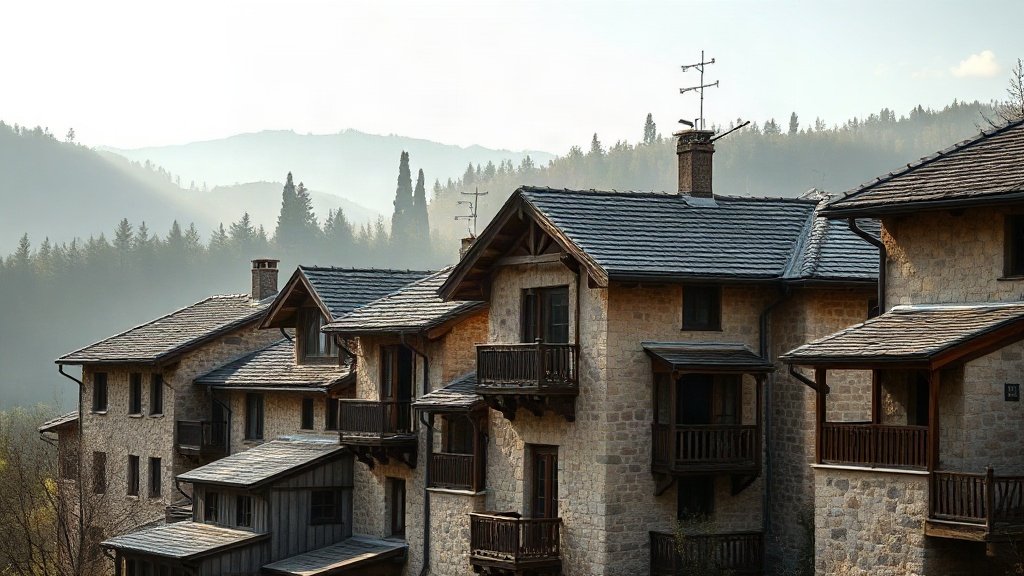
Illustration: AI-generated image
Shiroka Laka is one of the most distinctive villages in Bulgaria's Rhodope Mountains, famous for its traditional stone-and-wood houses, its long association with folk music, and its dramatic setting in a narrow river valley. The village lies about 20 km northwest of Smolyan and roughly 80 km south of Plovdiv, making it a natural stop on a trip through the central Rhodopes.
Why visit Shiroka Laka
The village is often described as an open-air museum of Rhodope architecture. Many of its houses date from the 19th century, built with thick stone walls, overhanging upper floors, and distinctive slate roofs. The National School of Folk Arts, housed in a historic building, has trained generations of Bulgarian musicians and dancers. Shiroka Laka is also the birthplace of many celebrated folk singers and bagpipe players, and its annual kukeri festival draws visitors from across the country.
What to see
Stroll along the main street to admire the old houses, several of which are protected cultural monuments. The Church of the Assumption, built in 1834, is one of the finest examples of Revival-era church architecture in the region. Nearby, the two arched stone bridges over the river are popular photo spots. Just outside the village, the Shiroka Laka Gorge offers easy walking paths with views of rocky cliffs and pine forests.
Getting there and around
The most flexible way to reach Shiroka Laka is by car, as public transport is limited. The road from Plovdiv via Smolyan is well maintained and scenic, winding through mountain passes. If you are travelling by bus, there are occasional connections from Smolyan and Plovdiv, but schedules can be sparse, especially outside summer. Once in the village, everything is reachable on foot.
When to go
Shiroka Laka is attractive in every season. Spring brings fresh greenery and blooming meadows, while summer offers mild temperatures ideal for hiking. Autumn turns the surrounding forests golden, and winter can be picturesque with snow, though some roads may be icy. The village is particularly lively during its kukeri festival in early March, but if you prefer a quieter visit, choose a weekday outside festival time.
Practical tips
Wear comfortable walking shoes, as the streets are cobbled and uneven. Bring layers, even in summer, because mountain weather can change quickly. There are a few small guesthouses and a couple of restaurants serving local Rhodope dishes like patatnik (potato pie) and kachamak (cornmeal porridge). If you stay overnight, you will have the village almost to yourself after day-trippers leave.





