Phone Spoofing: When a Familiar Number Isn't Proof of Who's Calling
Scammers are using a technique called spoofing to make their calls appear as if they're coming from someone you know and trust.
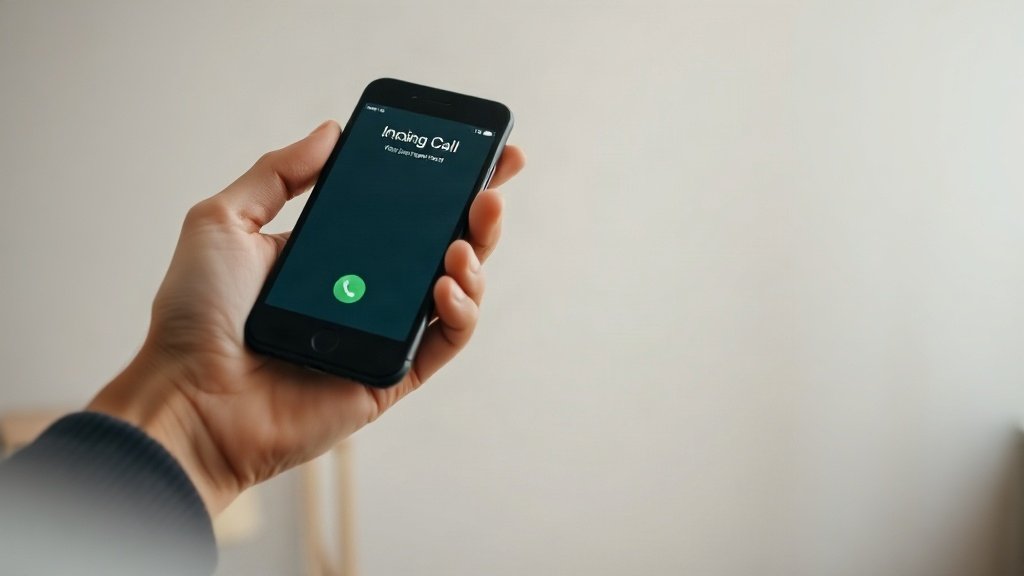
Illustration: AI-generated image
Phone users in Bulgaria are being warned about a growing scam technique called spoofing, where fraudsters disguise their number to appear as someone you know. The warning comes as scammers increasingly use this method to trick people into answering calls and potentially falling victim to fraud.
According to a report by Dnevnik on Monday, the familiar number shown on your screen is not proof of who is actually calling. Spoofing works by manipulating the caller ID so that an incoming call appears to come from a close contact, making you more likely to pick up without hesitation.
The purpose of such calls is fraud, as scammers exploit the trust you have in the person whose number they have imitated. Once you answer, the person on the other end is not who you think it is, and they may use that opportunity to deceive you.
Dnevnik's report highlights that spoofing turns the phone into a tool for deception, emphasising that a familiar number should not be taken as proof of identity.