Melnik: Bulgaria's Wine Town and Its Surreal Sand Pyramids
Tucked into the Pirin foothills near the Greek border, Melnik pairs a centuries-old wine tradition with otherworldly rock formations. Here's how to make the most of a visit.
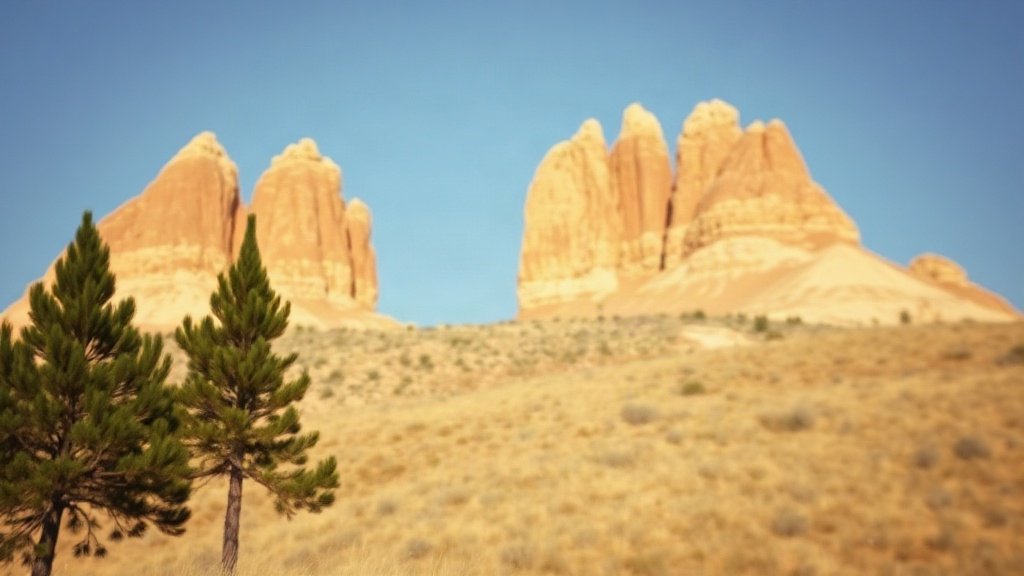
Illustration: AI-generated image
Melnik is tiny but has a big reputation. This small town in southwestern Bulgaria, near the border with Greece and surrounded by the Pirin Mountains, is celebrated for two things: a centuries-old winemaking tradition producing powerful reds, and the otherworldly sand pyramids that loom over its rooftops. It makes for a perfect day trip or a relaxing weekend stop for anyone seeking a mix of history, nature and a good glass of wine.
Getting there and getting around
Melnik sits about 180 kilometres south of Sofia, a drive of roughly two and a half to three hours along the scenic Struma Valley. Public transport options are limited but workable: you can take a train or bus to the nearby town of Sandanski and then continue by local bus or taxi. Once you arrive, the town is compact and entirely walkable, with most sights within a short stroll of the main square.
A wine lover's paradise
Winemaking in Melnik dates back centuries, and the region is often called the wine capital of Bulgaria. The signature grape is the Shiroka Melnishka Loza, or Broadleaf Melnik, a local variety that thrives in the warm, sandy soils. The resulting wines are deep, tannic and age-worthy reds, often blended with other grapes to soften their bold character. You can sample local vintages at taverns and small cellars throughout the town, many of which offer tastings and sell bottles to take home.
The sand pyramids
The Melnik sand pyramids are a natural wonder millions of years in the making. These towering formations of eroded clay and sandstone rise up to 100 metres high, shaped by wind and rain into cones, needles and even mushroom-like shapes. They are constantly changing, slowly reshaped by ongoing erosion. The best views are from the town itself or along hiking trails that wind among the pyramids; one popular route leads to Rozhen Monastery, about six kilometres away, offering panoramic vistas over the entire landscape.
Exploring the town
Melnik's architecture is a highlight in its own right. The revival-era houses feature stone lower floors and timber-framed upper storeys with overhanging balconies, many restored to their former glory. The Kordopulov House, the largest revival house in Bulgaria, is now a museum and contains an enormous wine cellar carved into the rock beneath it. Elsewhere, you can wander the ruins of a medieval fortress and visit several small churches tucked into the hillside.
Practical tips
Spring and autumn are the best times to visit, when temperatures are mild and the countryside is at its most colourful. Summer can be hot, while winter brings a quiet, atmospheric chill. Wear comfortable shoes with good grip, as the cobbled streets and hiking trails can be uneven. Combine your visit with a trip to Rozhen Monastery or the nearby spa town of Sandanski, and don't leave without a bottle of Melnik wine as a souvenir of your stay.





