Medenki: Bulgaria's Spiced Honey Cookies You Should Bake at Home
Medenki are soft, sweet cookies flavoured with honey and warm spices, baked in Bulgarian homes for generations. Learn how to make them with our simple guide.
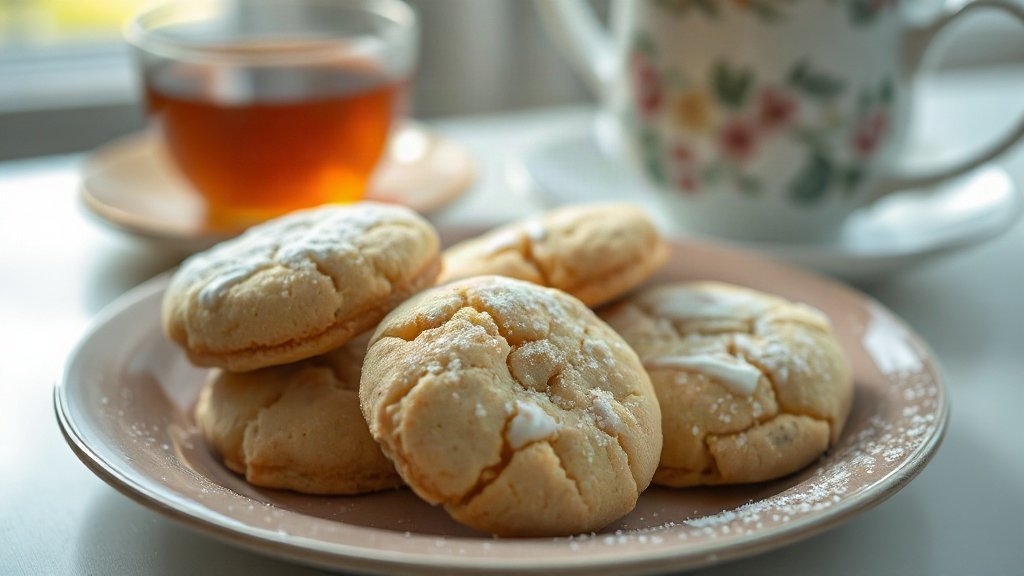
Illustration: AI-generated image
Walk into any Bulgarian home during the winter holidays and you are likely to be offered a plate of medenki – small, round cookies glistening with honey and fragrant with cinnamon, cloves and nutmeg. These humble treats have been baked for centuries, and their comforting flavour makes them a year-round favourite for many Bulgarians.
What are medenki?
Medenki (singular: medenka) are traditional Bulgarian honey cookies. The name comes from the Bulgarian word for honey, med. They are closely related to other spiced honey cookies found across Central and Eastern Europe, such as Russian pryaniki or Polish pierniczki. The dough is sweetened primarily with honey, which gives the cookies their distinctive moist texture and deep, caramel-like flavour.
Traditionally, medenki are associated with Christmas and New Year celebrations. Families bake large batches to share with guests and give as gifts. The cookies are often cut into festive shapes – stars, hearts, animals or simple rounds – and decorated with a thin sugar glaze or intricate icing patterns. Some versions are filled with jam, walnuts or dried fruit.
Key ingredients
The beauty of medenki lies in their simplicity. Most recipes call for:
- Honey – the star ingredient. Bulgarian honey, from acacia, linden or sunflower, works wonderfully.
- Flour – plain white flour is standard, though some bakers mix in a little rye flour for extra depth.
- Eggs – for richness and binding.
- Spices – cinnamon, cloves, nutmeg and sometimes ginger or cardamom. The exact blend varies by family recipe.
- Raising agent – baking soda or ammonium bicarbonate, which gives the cookies their characteristic crumbly yet soft texture.
- Optional extras – chopped walnuts, orange zest or a splash of rum for extra flavour.
Because honey is hygroscopic, medenki stay soft for days, and their flavour actually improves after a day or two in an airtight container.
How to make medenki at home
Making medenki is a rewarding project, and the dough is surprisingly forgiving. Here is a basic recipe to try:
- Gently warm 250 g of honey with 100 g of sugar and 50 g of butter until melted. Do not boil.
- Remove from heat and stir in 1 teaspoon each of ground cinnamon, cloves and nutmeg. Allow to cool to lukewarm.
- Beat in 2 eggs, one at a time.
- In a separate bowl, whisk 500 g of flour with 1 teaspoon of baking soda and a pinch of salt.
- Gradually add the dry ingredients to the honey mixture, mixing until a soft dough forms. If it is too sticky, add a little more flour.
- Cover and refrigerate the dough for at least 2 hours (or overnight). Chilling makes it easier to roll.
- Preheat your oven to 180°C. Roll the dough out on a floured surface to about 1 cm thick. Cut into shapes with cookie cutters.
- Place on a lined baking tray and bake for 10–12 minutes, until lightly golden around the edges. They will still be soft.
- Cool on a wire rack. Decorate with a simple icing made from icing sugar and lemon juice, or leave plain.
For filled medenki, sandwich two cookies together with apricot jam or a walnut-honey paste before baking or after cooling.
Serving and storing
Medenki are best enjoyed with a cup of coffee, tea or a glass of cold milk. They are also lovely alongside a bowl of yoghurt for a sweet breakfast. Store them in an airtight container at room temperature for up to two weeks. If they harden, place a slice of apple in the container for a day to soften them again.
Whether you stick to a classic round shape or get creative with festive cutters, baking medenki is a wonderful way to bring a taste of Bulgaria into your kitchen.