Kukeri: the masked winter rituals that wake Bulgaria's villages
Every winter, men in towering masks and heavy bells parade through Bulgarian villages to drive away evil spirits. Here is what the kukeri tradition means and how to see it.
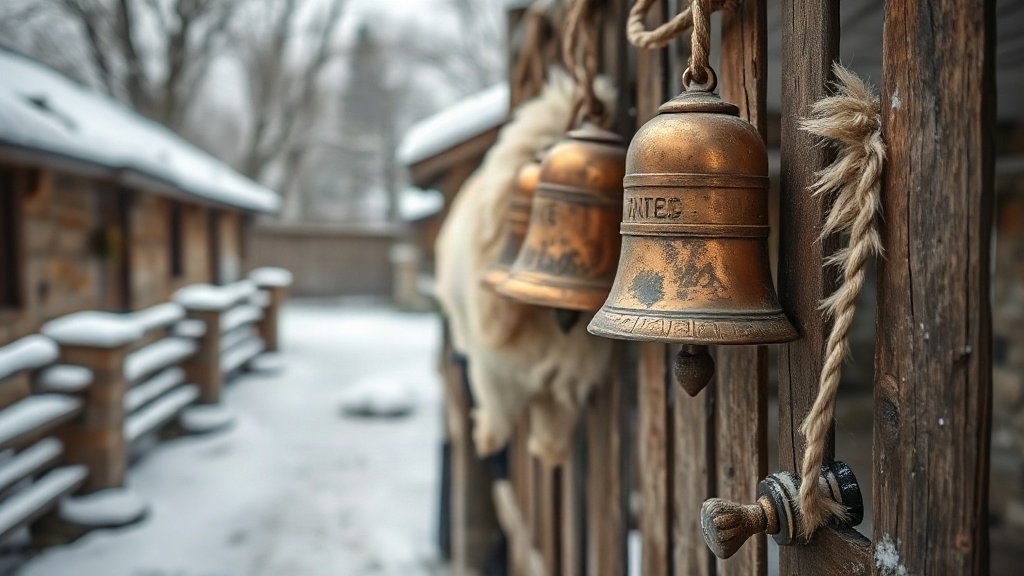
Illustration: AI-generated image
Long before you see them, you hear them. A deep, rhythmic clanging rolls down a village street, and then the kukeri appear: figures in shaggy fur, towering masks and belts of heavy bells, leaping and stamping as they go.
It is one of the most striking living traditions in Bulgaria, and one of the oldest. Similar rituals are found across the Balkans, but the Bulgarian version is especially vivid and widely celebrated.
What the ritual is for
The idea is simple and ancient. The noise of the bells and the fearsome look of the costumes are meant to scare away evil spirits, protect the community and encourage a good harvest, health and fertility in the year ahead.
Many scholars link the custom to pre-Christian beliefs about the turning of the seasons. Over the centuries it has blended with Christian calendar traditions, which is why it is tied to the period around winter and the start of Lent in many regions.
Costumes and character
No two groups look quite the same. Some masks are built from wood, animal horns and fur, while others are covered in colourful ribbons, beads, tassels and feathers. Details vary from region to region.
- Bells: large copper or iron bells worn at the waist, often weighing a good deal, which is part of why the dance is so physical.
- Masks: sometimes animal-like, sometimes frightening, sometimes closer to a tall decorated headdress.
- Sticks and wooden swords: used in some places to symbolically drive away bad luck.
Traditionally the participants are men, though in some places women and children now take part in parades and festivals.
Where and when to see it
Kukeri games are held in villages and towns across the country, usually from the winter months through to the period before Easter. Dates differ by place and sometimes by year, so check the local programme before you travel.
Alongside village celebrations, larger international masquerade festivals bring groups together from across Bulgaria and abroad. They are a good option if you want to see many styles in one day, with the benefit of an organised route and easy access.
Smaller village events tend to feel more intimate, with the groups visiting houses and courtyards. These are often the most memorable, though they can be harder to reach without a car.
Tips for visitors
- Dress warmly. Winter parades are mostly outdoors and can run for hours.
- Keep a respectful distance and ask before photographing people up close, especially in smaller villages.
- Expect to be teased: kukeri sometimes playfully chase spectators, and that is part of the fun.
- Try local food and homemade drinks if you are offered them. Hospitality is a big part of the day.
- Check transport in advance, as rural bus services can be limited in winter.
Why it matters
The kukeri tradition is recognised internationally as part of the cultural heritage of the region, and it remains a source of local pride. For many villages, it is a way of passing customs from one generation to the next.
For visitors and expats, it is also a rare chance to see a ritual that is genuinely lived rather than staged: loud, theatrical and wonderfully strange.





