Kiselo Mlyako: Bulgaria's Tangy Yogurt and Its Living Heritage
Bulgarian yogurt is more than a breakfast food – it is a national symbol, made with a unique bacterium found nowhere else in the world. Here is how it is made and why it matters.
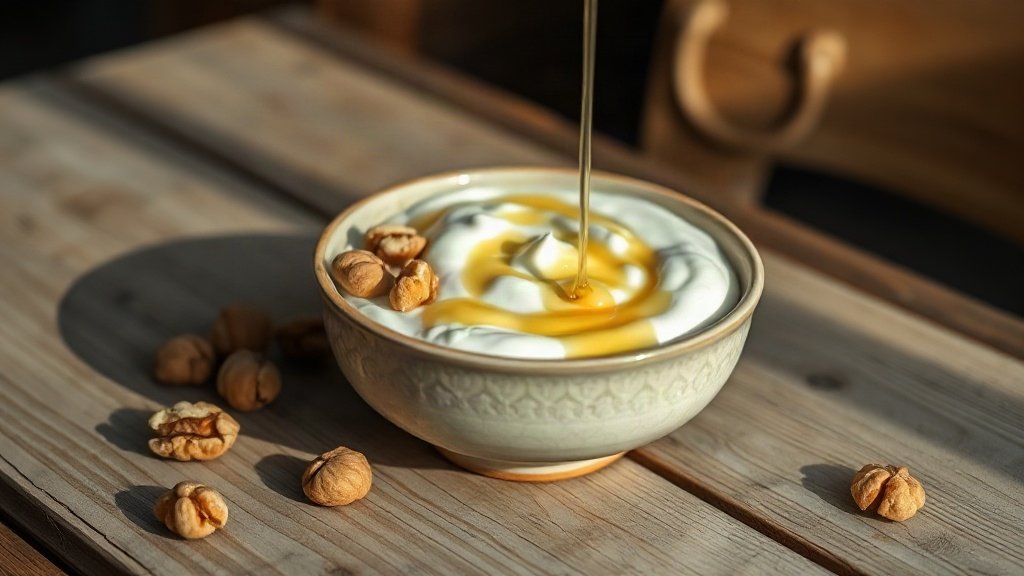
Illustration: AI-generated image
Bulgaria's kiselo mlyako, or sour milk, is far more than a supermarket staple. It is a living link to the country's past, a symbol of hospitality, and a source of national pride. Made with a specific strain of bacteria found almost nowhere else on earth, this thick, tangy yogurt has been part of Bulgarian tables for centuries.
A Living Heritage
The tradition of fermenting milk stretches back to the Thracians, the ancient people who inhabited the Balkan peninsula. They carried milk in animal skins, and the naturally occurring bacteria caused it to thicken and sour. In the early 20th century, a young scientist isolated the key microorganism responsible for this transformation, later named Lactobacillus bulgaricus in honour of the country. To this day, Bulgaria remains one of the few places where this bacterium thrives in its natural environment.
A Daily Ritual
For many Bulgarians, yogurt is not an occasional health food but a daily accompaniment. It is eaten plain for breakfast, spooned over warm banitsa, stirred into cold soups like tarator, and used as a base for sauces and desserts. Its sharp, clean flavour cuts through rich dishes, while its cool creaminess soothes the palate. In rural households, making yogurt at home is still common, with each family keeping a small jar of starter culture that can be passed down through generations.
How Bulgarian Yogurt Is Made
Traditional preparation follows a simple but precise process. Fresh milk, often from cows, sheep, or buffalo, is heated to just below boiling and then cooled to lukewarm. A spoonful of previous yogurt is stirred in, and the mixture is kept warm for several hours, usually wrapped in blankets or placed near a warm stove. The bacteria multiply, thickening the milk and creating the characteristic sour taste. Unlike many commercial yogurts, Bulgarian yogurt is typically set in the container where it ferments, giving it a soft, spoonable texture.
Why It Matters
Beyond its culinary role, kiselo mlyako carries deep cultural meaning. It is a symbol of Bulgarian identity, celebrated in songs, proverbs, and folk tales. The country has long been associated with longevity, and many attribute this to a diet rich in yogurt and other fermented foods. While modern science continues to explore the health benefits of probiotics, the reputation of Bulgarian yogurt as a wholesome, natural food remains firmly rooted in tradition.
Making It at Home
For those who wish to try making their own, the process is straightforward. Use full-fat milk for the creamiest result. Heat the milk to 85°C, then cool it to 43–46°C. Add two tablespoons of plain yogurt with live cultures per litre of milk, whisk gently, and pour into jars. Keep the jars warm (around 43°C) for 6 to 8 hours without disturbing them. Once set, refrigerate for at least four hours. Remember to save a few spoonfuls of the new batch as a starter for the next one.
Whether enjoyed in a village kitchen or a city café, Bulgarian yogurt is a taste of the land itself – ancient, alive, and endlessly adaptable.