Kazanlak Thracian Tomb: A Guide to Bulgaria's UNESCO-Listed Masterpiece
Discover the ancient Thracian tomb near Kazanlak, a UNESCO World Heritage Site renowned for its remarkable 4th-century BC frescoes.
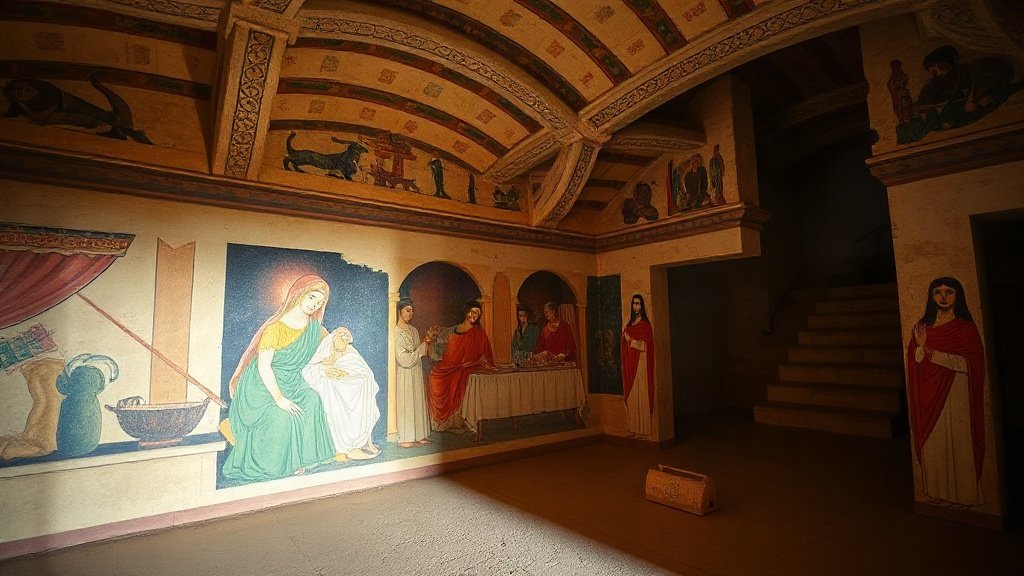
Illustration: AI-generated image
Hidden beneath a grassy mound in central Bulgaria lies one of the most important archaeological discoveries in the country: the Kazanlak Thracian Tomb. Dating back to the 4th century BC, this ancient burial site is celebrated for its exceptionally well-preserved wall paintings, which offer a rare glimpse into the sophisticated culture of the Thracians. In 1979, it was inscribed on the UNESCO World Heritage List, cementing its status as a treasure of global significance.
The tomb is located just outside the town of Kazanlak, in the Valley of the Roses—an area famous for rose oil production and stunning mountain scenery. Visiting is easy to combine with other local attractions, making it a perfect day trip for history lovers and curious travellers alike.
A Brief History
The Thracians were an ancient people who inhabited the Balkans long before the Romans and Greeks rose to power. They left behind few written records, but their tombs speak volumes. The Kazanlak tomb was discovered by chance in 1944, when soldiers digging a trench uncovered the entrance. Inside, archaeologists found a narrow corridor leading to a round, beehive-shaped burial chamber. The tomb is believed to have belonged to a wealthy Thracian ruler or noble, though no remains or grave goods were found—likely looted centuries ago.
What makes the tomb truly extraordinary is its interior decoration. The walls are adorned with vibrant frescoes depicting scenes of a funeral feast, including a noble couple seated at a table, servants bringing offerings, and a procession of horses and attendants. The figures are rendered in a naturalistic style that shows clear Greek influence, yet the subject matter reflects Thracian beliefs about the afterlife. The central scene of a man and woman sharing a tender moment has been interpreted as the deceased ruler and his wife, united for eternity.
Inside the Tomb
The original tomb is quite small—the main chamber is only about 3 metres wide and 3 metres high—and its delicate frescoes require strict climate control. For this reason, the original is closed to the public to ensure its preservation. However, a full-scale replica has been built next to the site, allowing visitors to experience the tomb's layout and paintings in all their glory. The replica is accurate down to the last detail, so you won't miss a thing.
The corridor, or dromos, leads to the round chamber with its distinctive corbelled dome, an engineering feat for its time. The walls curve inward as they rise, creating a sense of intimacy and mystery. Standing inside, you can easily imagine the torch-lit rituals that once took place here.
Planning Your Visit
The Kazanlak Thracian Tomb is open year-round, though the best time to visit is from spring to autumn when the surrounding countryside is at its most beautiful. The site is easily accessible by car or public transport from Kazanlak, and there is a small visitor centre with information in multiple languages. Allow at least an hour to explore the replica and the surrounding grounds.
While in the area, be sure to explore the wider Valley of the Roses. In late May and early June, the rose fields burst into bloom and the air is thick with fragrance. You can also visit the nearby Thracian tomb of Seuthes III, the ancient capital of Seuthopolis, or the town's rose museum. Kazanlak makes a comfortable base for exploring the region, with plenty of accommodation and dining options.
Whether you're a history buff, an art lover, or simply a traveller seeking authentic experiences, the Kazanlak Thracian Tomb offers a memorable and moving journey into Bulgaria's ancient past.





