How to Rent an Apartment in Bulgaria: A Step-by-Step Guide for Newcomers
Renting a home in Bulgaria is straightforward once you know the local practices. Here’s what to expect, from finding a place to signing the contract.
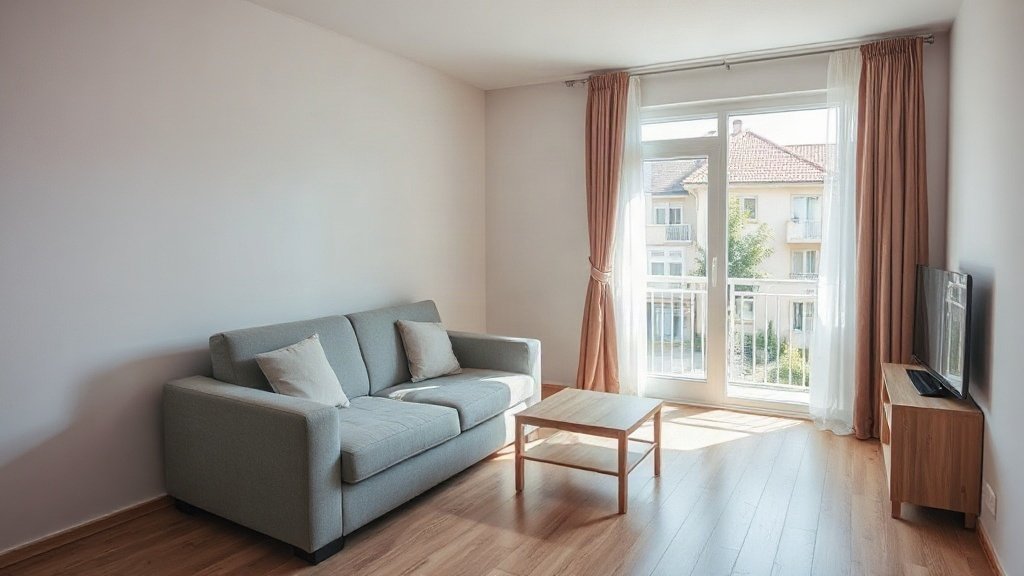
Illustration: AI-generated image
Renting an apartment in Bulgaria is a common first step for many newcomers, whether you are moving for work, study or simply a change of pace. The process is generally uncomplicated, but understanding the local customs and paperwork will help you settle in smoothly. This guide walks you through the key stages, from your initial search to the day you move in.
Finding a place
Most people begin their search online through property portals or social media groups, while some prefer to walk around a neighbourhood and look for ‘for rent’ signs. Estate agents are also widely used, and their fees are usually paid by the tenant, typically equivalent to half a month’s rent or a full month’s rent. When browsing listings, pay attention to whether the rent includes utilities or if they are paid separately, as this can vary from one landlord to another.
Viewing and choosing
Once you have shortlisted a few properties, arrange viewings at a time that suits you. It is common to view in the evening or on weekends, as many landlords work during the day. When you visit, check the condition of the apartment, the water pressure, the heating system, and whether furniture and appliances are included. In Bulgaria, many rental properties are offered furnished or semi-furnished, but unfurnished options are also available. Ask about the building’s management fees, as these may be the tenant’s responsibility.
The contract
If you decide to proceed, you will need to sign a rental contract, usually in Bulgarian. Even if a translation is provided, it is wise to have someone who speaks the language review it. The contract should state the monthly rent, the payment due date, the deposit amount, and the notice period for ending the tenancy. Standard practice is a one-year contract, with the possibility to renew. Make sure you receive a copy of the signed contract for your records.
Deposits and payments
A security deposit is typically required before you move in. This is usually refundable at the end of the tenancy, provided there is no damage beyond normal wear and tear. Rent is most often paid by bank transfer, and you will need a Bulgarian bank account for this. Some landlords may accept cash, but a bank transfer provides a clear record. Always ask for a receipt or confirmation of payment, especially if paying in cash.
Utilities and registration
In most cases, the tenant is responsible for paying utilities such as electricity, water, heating and internet. These are billed separately, and you will need to register the accounts in your name or arrange for the bills to be transferred. The landlord should assist with this process. You will also need to register your address with the local police station within a certain period after moving in, a step that is often required for obtaining a residence permit or ID card.
Final tips
Before you commit, take photos of the apartment’s condition and note any existing damage in the contract or a separate annex. This will protect you when it is time to get your deposit back. Build a good relationship with your landlord from the start, as this can make your stay much more pleasant. Finally, be patient: the rental market in Bulgaria can move quickly, but with the right preparation, you will soon find a place that feels like home.





