How to Organise a Bulgarian-Style Pantry: Essential Staples and Storage Tips
Stock your larder the Bulgarian way with these practical tips on essential ingredients, smart storage and seasonal must-haves.
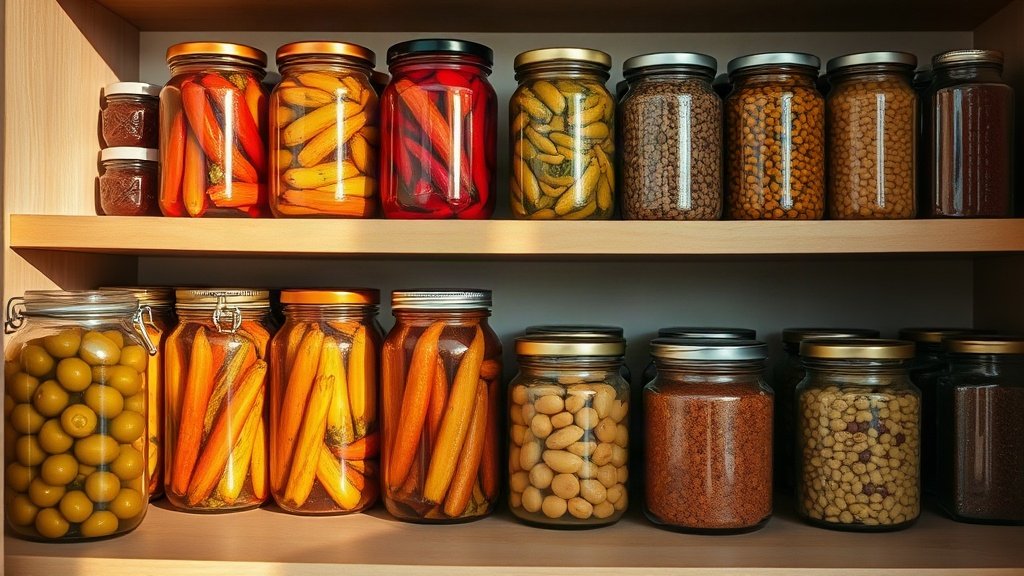
Illustration: AI-generated image
A well-stocked pantry is the heart of any Bulgarian kitchen. Whether you have just moved to the country or want to embrace local food traditions, having the right staples on hand makes everyday cooking easier and keeps you prepared for the winter months, when fresh produce is less varied. This guide walks you through the essential items and storage practices for a practical Bulgarian-style larder.
Essential dry goods
Start with the basics: beans, lentils, rice and flour. Bulgarian cuisine relies heavily on legumes, especially white beans for the classic bob chorba (bean soup) and lentils for leshta. Keep a good supply of dried beans and lentils in airtight containers; they last for months and form the base of many hearty meals. Rice, both long-grain and round-grain for stuffed vegetables, is another staple. Stock plain white flour and perhaps some cornmeal for making kachamak (polenta) or banitsa dough.
Pasta and bulgur are also common. Bulgur is used in salads and pilafs, while pasta is a quick everyday option. Store all dry goods in sealed jars or containers to keep out moisture and pests—a common concern in older Bulgarian homes. Glass jars or sturdy plastic bins work well, and adding a bay leaf to flour or rice can help deter insects.
Jars, tins and preserves
Bulgarians are masters of preserving, and a typical pantry is full of jars. Essential store-bought and homemade items include:
- Lutenitsa – a roasted pepper and tomato spread, used on bread or as a side.
- Roasted red peppers – often jarred whole or as aiwar (a pepper relish).
- Pickles – cucumbers, green tomatoes and mixed vegetables in brine.
- Compotes – fruit preserved in syrup, a popular dessert or drink base.
- Honey – a natural sweetener and common home remedy.
Keep a few jars of each on your shelves. They are perfect for quick meals, appetizers or adding flavour to stews. Canned fish, especially sprats and tuna, is also a handy protein source. Store jars in a cool, dark place and check seals before use.
Oils, vinegars and condiments
Sunflower oil is the most common cooking oil in Bulgaria; keep a large bottle for frying and everyday cooking. Olive oil is increasingly popular for salads. Vinegar—both wine and apple cider—is essential for dressings and pickling. Other must-haves include salt (preferably coarse sea salt), black pepper, paprika (sweet and hot), chubritsa (summer savory, a signature Bulgarian herb) and sharena sol (a colourful spice mix with salt and herbs).
Also stock tomato paste, mustard and perhaps a jar of ljutenica or ayvar. These condiments add depth to soups and stews. Store oils away from direct sunlight and keep spices in airtight containers to preserve their aroma.
Sweet staples
No Bulgarian pantry is complete without a few sweets. Sugar, honey and petmez (grape molasses) are common sweeteners. For baking, keep baking powder, vanilla sugar and cocoa powder. Dried fruits like apricots, plums and raisins, as well as nuts (walnuts, almonds, hazelnuts), are often used in desserts and snacks. Store them in sealed jars to keep them fresh.
Practical storage tips
In many Bulgarian homes, pantries are built-in cupboards or cool storage rooms. If you have a mazze (basement) or balcony storage, use it for potatoes, onions and winter squash, which prefer cool, dark and dry conditions. Keep a rotation system: place newer items behind older ones and label jars with contents and dates. Finally, buy in bulk when seasonal produce is cheap—for example, peppers in late summer for roasting and freezing—and process them for later use.