How to Make Traditional Bulgarian Pitka: A Round Loaf for Every Table
Master the art of baking this soft, beautifully decorated round bread, a beloved staple in Bulgarian homes from festive celebrations to everyday family meals.
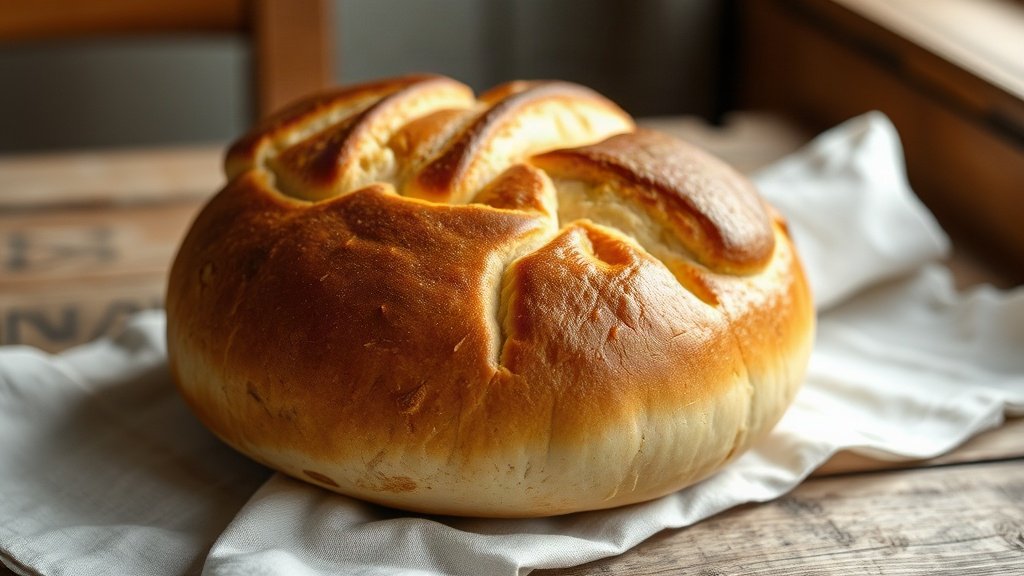
Illustration: AI-generated image
The Bulgarian pitka is more than just bread – it is a symbol of hospitality, togetherness and tradition. This round loaf, often decorated with intricate patterns, graces tables at weddings, Christmas, Easter and name days, but it is also baked for simple family dinners. Making your own pitka at home is a rewarding way to connect with Bulgarian culture, and the result is a soft, fragrant bread that pairs beautifully with anything from shopska salad to a bowl of hearty stew.
What makes pitka special?
Unlike everyday sliced bread, pitka is shaped by hand and marked with symbolic designs. The round form represents the sun and the cycle of life, while patterns pressed into the dough – often spirals, braids or crosses – are believed to bring health, luck and prosperity. Traditionally, the eldest woman in the household would break the bread by hand rather than cutting it with a knife, a custom that is still observed at many celebrations.
Ingredients
For one large round loaf, you will need:
- 500 g plain white flour, plus extra for dusting
- 7 g dried yeast (or 20 g fresh yeast)
- 1 teaspoon sugar
- 1 teaspoon salt
- 300 ml warm water (or milk for a richer dough)
- 2 tablespoons sunflower oil or melted butter
- 1 egg, beaten, for glazing
Step-by-step method
- In a small bowl, dissolve the yeast and sugar in about 100 ml of the warm water. Leave it for 10 minutes until frothy.
- In a large mixing bowl, combine the flour and salt. Make a well in the centre and pour in the yeast mixture, remaining water (or milk) and oil or butter.
- Mix with a wooden spoon until a rough dough forms, then turn out onto a lightly floured surface.
- Knead the dough for about 10 minutes until smooth and elastic. If it feels sticky, add a little more flour, but avoid making it too dry.
- Place the dough in a lightly oiled bowl, cover with a clean tea towel, and leave in a warm place for about 1 hour, or until doubled in size.
- Knock back the dough and knead briefly. Shape it into a smooth ball. You can also divide a small piece of dough to make decorations such as a braid or leaves.
- Place the ball on a baking tray lined with parchment paper. If using, arrange the dough decorations on top, sticking them with a little water.
- Cover loosely and leave to rise for another 30 minutes.
- Preheat the oven to 200°C (180°C fan). Brush the top of the loaf with beaten egg, taking care not to deflate it.
- Bake for 30–35 minutes, or until the crust is deep golden brown and the loaf sounds hollow when tapped underneath.
- Cool on a wire rack before serving.
Shaping and decoration
The simplest decoration is to score the top with a sharp knife in a spiral or crosshatch pattern before baking. For special occasions, you can braid three thin ropes of dough and arrange them in a circle on top. Another classic design is to press the tines of a fork around the edge to create a sunburst effect. Whatever pattern you choose, it will look beautiful once baked.
Serving suggestions
Pitka is best enjoyed warm, torn apart by hand. Serve it with a dish of lukanka or sirene, a bowl of honey, or simply with butter and jam. It is also the perfect accompaniment to Bulgarian soups and stews. Leftover pitka keeps well for a day or two wrapped in a clean cloth, and it can be refreshed in a warm oven for a few minutes before serving.





