How to Make Bulgarian Musaka: A Hearty Potato and Mince Bake
Musaka is a staple of Bulgarian home cooking, layering potatoes, savoury mince and a creamy yogurt topping. Here's how to make it the traditional way.
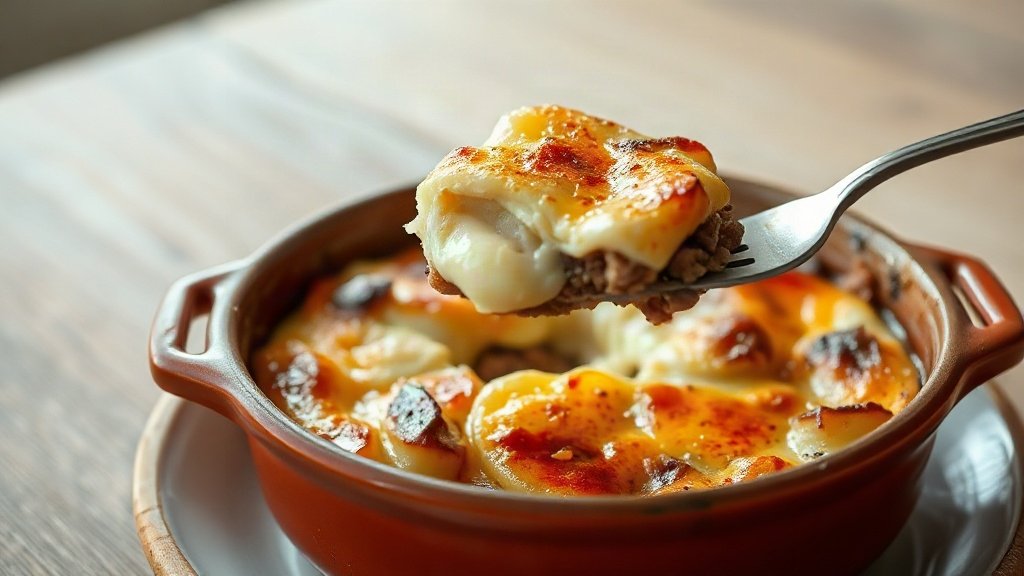
Illustration: AI-generated image
Musaka is one of those dishes that feels like a warm hug on a plate. While many countries have their own version, the Bulgarian take is distinct: a rich, savoury layer of minced meat and onions between slices of potato, all finished with a golden topping of yogurt and eggs. It is a mainstay of family lunches, Sunday gatherings and school canteens, and once you have made it at home, you will understand why it is so loved.
What Makes Bulgarian Musaka Different?
Unlike the Greek moussaka, which uses aubergines and a béchamel sauce, Bulgarian musaka is built on potatoes. The mince is usually a mixture of pork and beef, seasoned simply with paprika, savoury and black pepper. The potatoes are often pre-cooked or fried lightly before baking, which gives the dish its characteristic soft but structured texture. The crowning glory is the topping: a mixture of thick yogurt, eggs and a little flour, which sets into a creamy, tangy layer that contrasts beautifully with the savoury filling.
Ingredients You Will Need
For a standard family-sized dish, gather the following:
- 1 kg potatoes, peeled and sliced into thin rounds
- 500 g minced meat (pork, beef, or a mix)
- 1 large onion, finely chopped
- 2–3 tablespoons sunflower oil
- 1 teaspoon sweet paprika
- 1 teaspoon dried savoury (chubritsa) or a pinch of summer savoury
- Salt and black pepper to taste
- 2 eggs
- 400 g thick yogurt (strained or Greek-style works well)
- 1 tablespoon flour
- A little oil or butter for greasing the baking dish
Step-by-Step Method
Prepare the potatoes. Peel the potatoes and slice them into rounds about half a centimetre thick. Some cooks prefer to parboil them for five minutes, others fry them briefly in oil until just golden. The aim is to soften them before baking, as they will not fully cook in the oven if left raw. Drain and set aside.
Cook the mince. Heat the oil in a large pan and gently fry the chopped onion until soft and translucent. Add the minced meat and cook, breaking it up with a wooden spoon, until browned. Season with paprika, savoury, salt and pepper. Stir well to coat the meat in the spices, then remove from the heat. If the mixture seems dry, add a splash of water or stock.
Assemble the dish. Grease a deep baking dish with a little oil or butter. Arrange a layer of potato slices on the bottom, overlapping slightly. Spread half of the mince mixture over the potatoes, then add another layer of potatoes, followed by the remaining mince. Finish with a final layer of potatoes.
Make the topping. In a bowl, whisk together the eggs, yogurt and flour until smooth. Season with a pinch of salt. Pour this mixture evenly over the top layer of potatoes, using a spoon to spread it if necessary.
Bake. Preheat the oven to 180°C (160°C fan). Place the dish in the oven and bake for about 45–50 minutes, or until the topping is set and golden brown and the potatoes are tender when pierced with a knife. If the top browns too quickly, cover loosely with foil for the last part of cooking.
Serving and Variations
Bulgarian musaka is traditionally served warm, often with a spoonful of extra yogurt on the side and a simple salad of tomatoes, cucumbers and white cheese. Some families add a beaten egg to the mince mixture to bind it, while others include diced carrots or peppers in the meat layer. You can also make a vegetarian version by replacing the mince with sautéed mushrooms and leeks. Leftovers keep well in the fridge for a couple of days and can be reheated gently in the oven.
Once you have the basic recipe down, feel free to adjust the seasoning to your taste. The dish is forgiving and endlessly adaptable, but the combination of soft potatoes, spiced meat and that tangy yogurt crust is what makes it unmistakably Bulgarian.





