How to Make Bulgarian Lyutenitsa: A Homemade Pepper and Tomato Spread
Lyutenitsa is Bulgaria's beloved roasted pepper and tomato spread, found on tables from breakfast to dinner. Here's how to make it at home and use it in everyday meals.
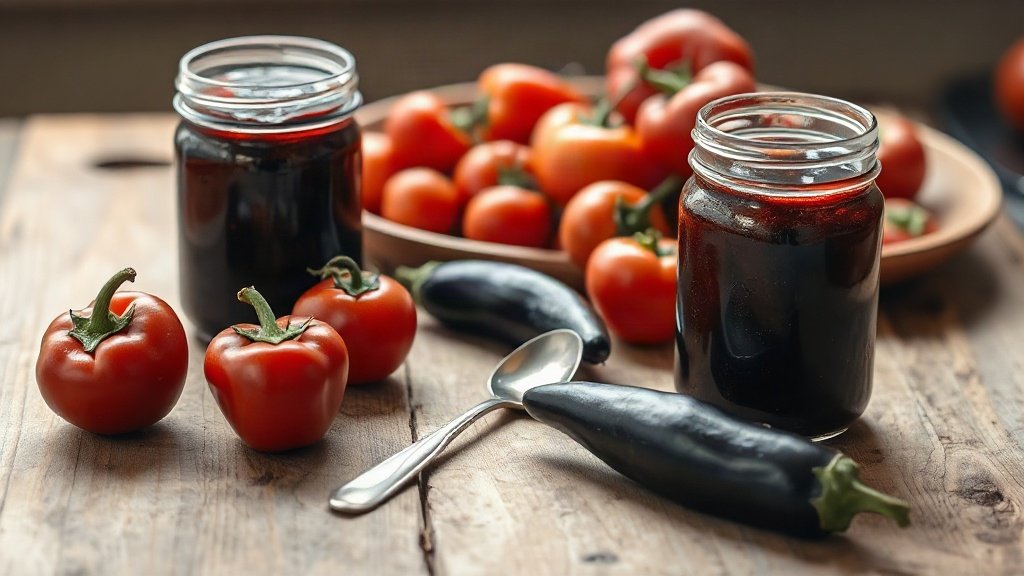
Illustration: AI-generated image
If there is one jar that almost every Bulgarian pantry holds, it is lyutenitsa. This thick, deep-red spread made from roasted red peppers and tomatoes is a cornerstone of home cooking and a taste of summer preserved for the colder months. While many families buy it from shops, making lyutenitsa at home is a rewarding tradition that fills the kitchen with the sweet smell of roasting peppers.
What is lyutenitsa?
Lyutenitsa (sometimes spelled lutenitsa) is a smooth or slightly chunky savoury spread. Its name comes from the Bulgarian word 'lyut', meaning hot or spicy, but despite the name, most homemade versions are mild and sweet, relying on the natural sugars of ripe vegetables. Some cooks add a little chilli for extra warmth, but it is far from a fiery condiment.
The classic recipe uses roasted red peppers, tomatoes, aubergine, carrot, onion, sunflower oil, sugar, salt and occasionally garlic or bay leaf. The vegetables are simmered for hours until thick and jammy, then sealed in sterilised jars. The result is a concentrated, comforting flavour that pairs with bread, cheese, eggs, grilled meats and more.
Ingredients for a homemade batch
Quantities vary by family, but a reliable base for about 1.5–2 kg of lyutenitsa is:
- 2 kg ripe red peppers (preferably fleshy, sweet varieties like kapia)
- 1 kg ripe tomatoes
- 1 large aubergine (optional, for creaminess)
- 2–3 carrots
- 2 onions
- 100–150 ml sunflower oil
- 1–2 tablespoons sugar (to taste)
- 1–2 teaspoons salt (to taste)
- Optional: 1–2 cloves garlic, 1 small hot pepper, or a bay leaf
All vegetables should be fully ripe but firm. The quality of the peppers and tomatoes is the single most important factor in the final taste.
Step-by-step method
Roast the peppers, aubergine and tomatoes until their skins blister and char. Traditionally this is done over a flame or on a barbecue, but an oven set to 220 °C or a dry frying pan works well. Place the charred vegetables in a covered bowl for 10 minutes to steam, then peel off the skins and remove seeds from the peppers.
Mince the peeled vegetables finely using a food processor, meat grinder or by hand with a knife. The texture is a matter of preference: some like lyutenitsa silky smooth, others prefer small pieces of pepper.
Grate the carrots and finely chop the onions. In a large, heavy-bottomed pot, heat the sunflower oil and gently fry the onion and carrot until soft and golden. Add the minced pepper, tomato and aubergine mixture, then bring to a gentle simmer.
Cook uncovered over low heat, stirring often to prevent sticking. This can take 2–4 hours. The lyutenitsa is ready when it is thick enough that a wooden spoon drawn through the bottom leaves a trail that slowly closes. Add sugar, salt, garlic or chilli in the final 30 minutes, adjusting to your taste.
While the mixture is still hot, pour it into clean, dry glass jars, leaving a little space at the top. Seal tightly and turn the jars upside down for 10 minutes to create a vacuum. Store in a cool, dark place. Once opened, keep refrigerated and consume within a few weeks.
How to use lyutenitsa every day
The simplest way is to spread it thickly on a slice of fresh bread, often with a piece of white cheese (sirene) on top. It is also a natural partner for grilled meats, sausages, fried eggs or omelettes. Stir a spoonful into soups or stews for depth, use it as a base for pizza or flatbreads, or serve it as a dip with vegetable sticks and crackers.
During late summer and early autumn, making lyutenitsa is a social event in many households, with neighbours sharing their batches and comparing family recipes. Even if you try a small quantity first, the process connects you to a tradition that has warmed Bulgarian kitchens for generations.