How to Make a Bulgarian Martenitsa: A Guide to the Red and White Threads of Spring
Discover the Bulgarian tradition of martenitsa – red and white threads worn in March to welcome spring. Learn how to make your own and what the customs mean.
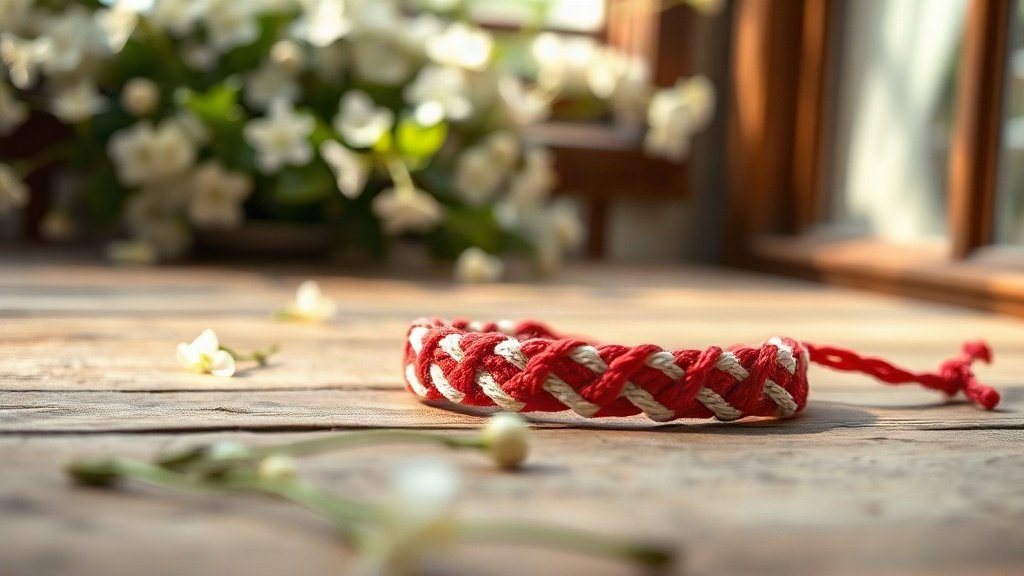
Illustration: AI-generated image
Every year on the first of March, people across Bulgaria pin small red and white adornments to their clothing. These are called martenitsi, and they are one of the country's most beloved customs. The tradition is simple: wear a martenitsa from 1 March until you see the first signs of spring, such as a stork or a blossoming tree, then tie it to a branch. But the meaning behind the threads runs deep, rooted in ancient folklore and the changing of the seasons.
The Story Behind the Red and White Threads
No one knows exactly when the tradition began, but it is linked to the legend of Baba Marta, or Grandmother March, a moody old woman who controls the weather. The red thread symbolises life, health and the sun, while the white represents purity, new beginnings and the melting snow. Together, they are meant to bring good health and good luck for the year ahead. Martenitsi are traditionally given as gifts to friends, family and colleagues, and it is common to receive many on the first day of March.
How to Make a Simple Martenitsa
Making your own martenitsa is easy and only requires red and white yarn or thread. The most common type is a twisted bracelet, but you can also make small tassels or even little dolls called Pizho and Penda. Here is how to make a basic twisted bracelet:
- Cut two pieces of yarn, one red and one white, each about 50 cm long.
- Hold the two strands together and tie a knot at one end, leaving a small loop.
- Twist the strands together tightly, either by hand or by securing the knotted end to a fixed point and twisting.
- Once twisted, fold the twisted cord in half so the two ends meet, and they will naturally twist around each other.
- Tie a knot at the open end to secure, leaving a loop at the other end so you can fasten it to your clothing.
How to Wear It and What to Do
On 1 March, pin your martenitsa to your chest, wrist, or anywhere visible. You should wear it every day until you see a stork, a swallow, or a blossoming tree – whichever comes first – or until the end of March, when some people take it off on the first day of April. When you remove it, tie it to a fruit tree or any tree that is starting to bloom. This is said to bring health and fertility to the tree and to you.
Where to See Martenitsi in Bulgaria
If you are in Bulgaria in early March, you will see martenitsi everywhere – on people's lapels, on children's wrists, even tied to car mirrors and pets. Street vendors sell them in all shapes and sizes, from simple twisted threads to elaborate dolls and jewellery. It is a joyful sight that signals the end of winter and the promise of warmer days.
Adopting the tradition is a wonderful way to connect with Bulgarian culture. It costs nothing, takes a few minutes to make, and spreads a little happiness to those around you.





