Discover Bulgaria's Native Wine Grapes: Mavrud, Melnik, and More
From the robust Mavrud to the elegant Melnik, Bulgaria's indigenous grape varieties offer a world of flavour waiting to be explored. Here's what to know and how to taste them like a local.
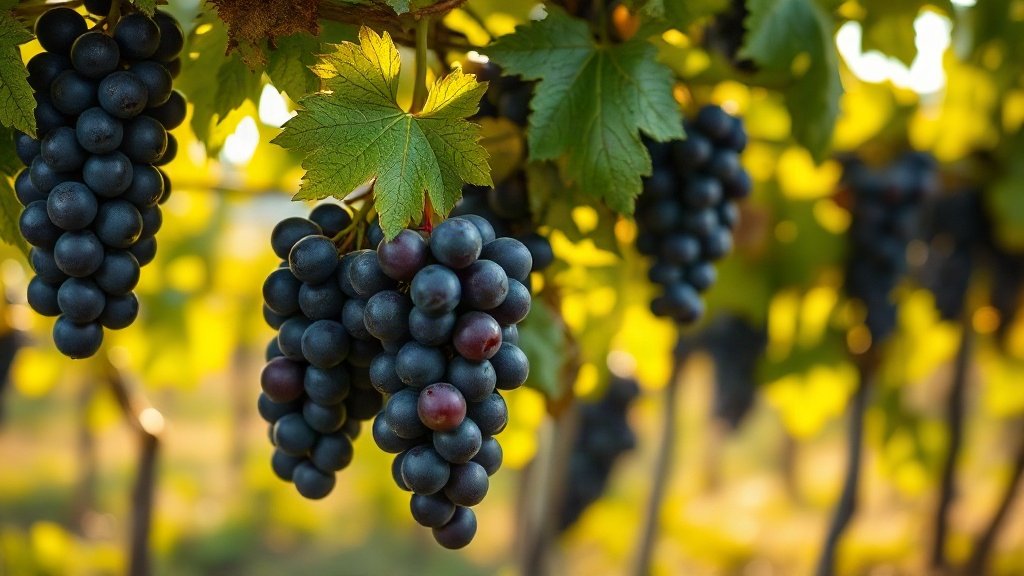
Illustration: AI-generated image
Bulgaria has been making wine for thousands of years, but its native grape varieties remain a secret to many outside the country. While international grapes like Cabernet Sauvignon and Chardonnay are widely planted, the real treasures are the local varieties that express Bulgaria's diverse terroirs. Here's a guide to some of the most interesting ones and how to enjoy them.
Indigenous Red Grapes
Mavrud: This is Bulgaria's signature red, grown mainly in the Thracian Valley around Plovdiv and Pazardzhik. Wines are deeply coloured, full-bodied, and often show dark berry fruit, spice, and earthy notes. They can age well. Traditionally paired with hearty meat dishes like kavarma or grilled lamb.
Melnik: Named after the town of Melnik in the south-west, this grape produces powerful, tannic wines with a distinctive herbal and tobacco-like character. The region's sandy soils and warm climate give the wines concentration. Look for "Melnik 55" or "Broadleaved Melnik" for age-worthy examples.
Rubin: A crossing created in Bulgaria in the 1940s from Nebbiolo and Syrah, Rubin produces aromatic, medium-bodied wines with notes of red fruit, violets, and spices. It is often blended but increasingly bottled as a varietal.
Indigenous White Grapes
Dimyat: Widely grown in eastern Bulgaria, especially near the Black Sea, Dimyat makes fresh, aromatic whites with citrus and white blossom notes. It is also used for distillation into brandy. Look for dry styles for a crisp aperitif.
Misket Cherven (Red Misket): Despite the name, this is a white grape with pinkish skins, unrelated to the Muscat family. Grown in the Rose Valley and around Sungurlare, it produces highly aromatic wines with rose petal, lychee, and spice notes. Often made in off-dry or sweet styles.
Where to Find Them
You'll find these wines in local restaurants, wine shops, and at the producers' tasting rooms if you're travelling. The Thracian Valley and the Black Sea coast are the main regions to explore. When ordering, simply ask for "Mavrud" or "Dimyat" – many places will have at least one by the glass. Pairing with local dishes: Mavrud with grilled meats, Melnik with aged cheese, Dimyat with fish, and Misket with desserts or fruit.
Tasting Tips
Don't be afraid to ask for recommendations – Bulgarians are proud of their wine heritage. Start with a young Mavrud to appreciate its fruit, then try a more structured example. For whites, serve well chilled. If you're buying bottles to take home, look for labels that clearly state the grape variety; these are usually a good introduction. And remember: Bulgarian wines are excellent value and often underrated internationally.
Exploring indigenous Bulgarian grapes is a delicious way to connect with the country's history and landscape. Next time you raise a glass, give one of these local stars a try.





