Dimitrovden: Bulgaria's Autumn Feast of St. Demetrius and the Turning Season
Every 26 October, Bulgarians mark Dimitrovden, a day woven from Orthodox faith, folk custom and the closing of the agricultural year. It is the feast of St. Demetrius, a major name day, and a moment to welcome winter with ritual and feasting.
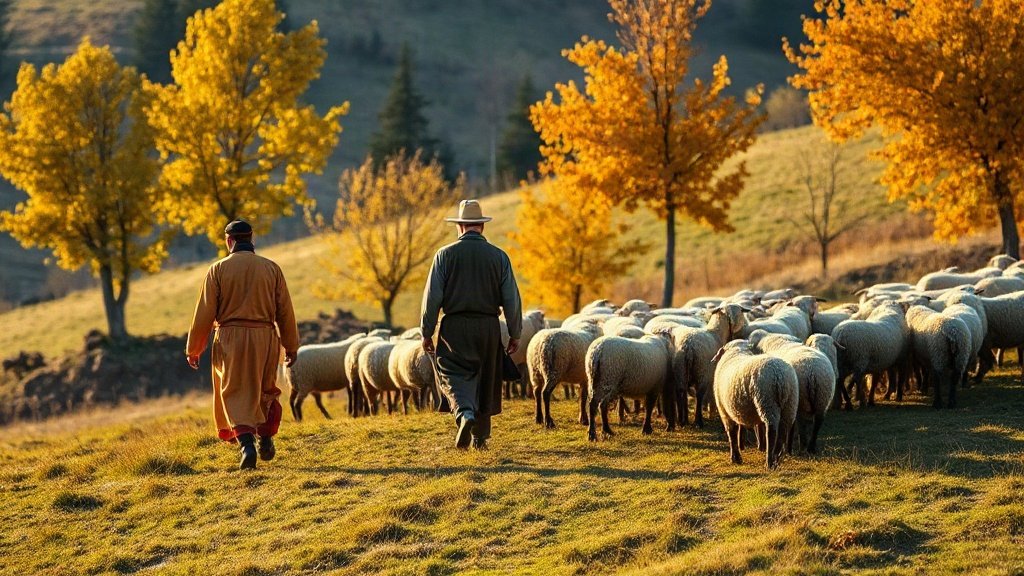
Illustration: AI-generated image
In Bulgaria, the last days of October carry a particular weight. The harvest is in, the leaves are falling, and the first cold winds from the north remind everyone that winter is not far off. On 26 October, the country marks Dimitrovden, the feast of St. Demetrius (Sveti Dimitar), a day that blends deep Orthodox faith with older folk customs tied to the land, the flocks and the turning of the seasons.
For many Bulgarians, Dimitrovden is more than a religious holiday. It is a name day for thousands of men and women named Dimitar, Dimitrina, Mitko, Dimo and their variants, making it one of the most widely celebrated personal feasts of the year. But beneath the cakes and well-wishes lies a rich layer of tradition that stretches back centuries, connecting the modern day to the rhythms of a once agrarian society.
Who is St. Demetrius?
St. Demetrius of Thessaloniki was a Christian martyr of the early 4th century, a Roman military commander who was executed for his faith during the persecutions of Emperor Maximian. In Orthodox iconography he is often shown as a warrior on horseback, sometimes piercing a figure representing the pagan emperor, or simply holding a spear and shield. His cult spread widely across the Balkans, and in Bulgaria he became one of the most beloved saints, invoked as a protector of soldiers, but also, curiously, of shepherds and the home.
The Shepherd's Feast and the Start of Winter
In the Bulgarian folk calendar, Dimitrovden marks a clear boundary. Before this day, it was believed that summer still held a faint grip on the land; after it, winter officially began. A common saying runs: “Sveti Dimitar nosi zima” — St. Demetrius brings the winter. For shepherds, it was the day when the summer grazing season in the high mountain pastures came to an end. The flocks were brought down to the lowlands, and the shepherds returned to their villages to be reunited with their families. It was a moment of both reunion and reflection: contracts between shepherds and flock owners were settled, and new ones were agreed for the following year.
The shepherds themselves were feted with special honours. In many regions, they were met at the village edge with bread and salt, and a feast was held in their honour. The meal often included a whole roasted lamb or a chicken stew, along with fresh bread, cheese and wine. Anyone who had hired a shepherd would invite him to their home and present him with gifts — new clothes, a woollen cloak, or a small sum of money — as thanks for a season of care.
Predicting the Winter Ahead
Dimitrovden was also a day of weather divination. Folk belief held that the character of the coming winter could be read from signs observed on this feast. If the morning brought frost or a sharp cold snap, the winter would be harsh and long; if the day was mild and clear, a gentle season was expected. Some villages watched the behaviour of animals: if sheep crowded together or ate greedily, heavy snows were on the way. Others looked to the moon or the direction of the wind. Though these beliefs have faded in urban life, they remain part of the cultural memory, retold by grandmothers and folklore enthusiasts alike.
A Joyful Name Day
Today, for most Bulgarians, the most visible face of Dimitrovden is the name day celebration. On this day, homes and offices are filled with well-wishers, and those bearing the saint's name open their doors to family, friends and colleagues. The table is laden with savoury pastries, salads, roasted meats and, of course, something sweet — a large cake or a tray of baklava. Guests bring flowers, small gifts or simply their good wishes: “Chestit imen den!” (Happy name day!). It is a day of warmth and togetherness, a pause before the darker months, and a reminder of the ties that bind communities.
If you find yourself in Bulgaria on 26 October and know someone named Dimitar or Dimitrina, do not be surprised if you are invited to join the celebration. Accept with pleasure — and bring a flower or a smile. You will be taking part in a tradition that has brought Bulgarians together for centuries.





