Bulgarian Honey: Varieties, Uses, and a Sweet Tradition
Discover the rich world of Bulgarian honey, from light acacia to dark forest honeydew, and how it's woven into local cuisine and customs.
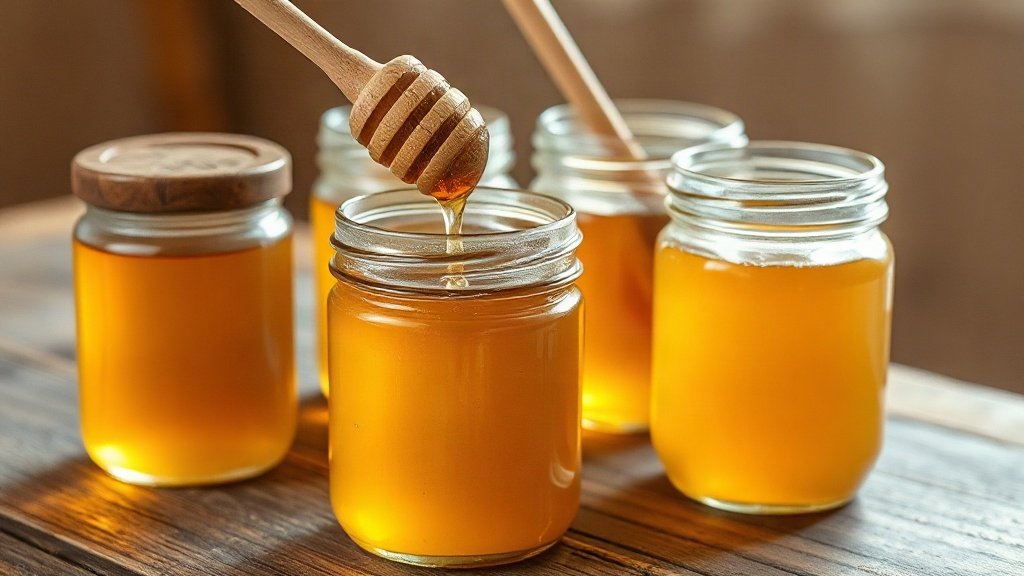
Illustration: AI-generated image
Bulgaria has a long and proud beekeeping tradition, with a landscape that produces some of Europe's most aromatic and diverse honeys. From sunny meadows to deep forests, the country's flora gives each honey a distinct character, and Bulgarians have been sweetening their lives with it for centuries.
A Land of Bees
Beekeeping is deeply rooted in Bulgarian culture. The country's varied terrain—mountains, valleys, and plains—combined with a temperate climate, creates ideal conditions for bees. Small-scale, often family-run apiaries are common, and honey is a staple in many households, valued not just for its taste but also for its traditional role in health and cooking.
Popular Honey Varieties
Bulgarian honey comes in a rainbow of colours and flavours. Light, delicate acacia honey is prized for its mild sweetness and slow crystallisation. Linden (lime blossom) honey, with its subtle minty notes, is a favourite for tea. Sunflower honey is golden and quick to crystallise, while forest honeydew—made from tree sap rather than nectar—is dark, rich, and slightly malty. Each variety reflects the local flora, and many Bulgarians have a personal favourite.
Honey in Bulgarian Cuisine
Beyond spreading on bread, honey is a key ingredient in many Bulgarian dishes. It adds a gentle sweetness to banitsa, the beloved filo pastry, and is often drizzled over thick yogurt for a simple dessert. It also appears in festive breads and cakes, and is stirred into tea as a soothing winter drink. A traditional honey-based beverage, medovina (mead), is still made in some regions, reviving an ancient craft.
Where to Find It
Honey is widely available across Bulgaria—at farmers' markets, roadside stands in rural areas, and even in some supermarkets that stock local products. Buying directly from a beekeeper is often the best way to sample different varieties and learn about their origins. Many apiaries welcome visitors during the honey harvest season, usually in late summer.
Tips for Choosing Quality Honey
Look for honey that is labelled with its floral source and region. Raw, unprocessed honey may crystallise; this is natural and not a sign of spoilage. To enjoy its full flavour, store honey at room temperature and avoid excessive heat. Whether you prefer a light acacia or a bold forest honeydew, Bulgarian honey offers a taste of the country's natural bounty.