Bulgarian Honey: A Guide to the Country's Liquid Gold
Discover the rich floral diversity of Bulgaria's honey, from acacia to honeydew, and learn how to enjoy this natural sweetener in traditional and modern ways.
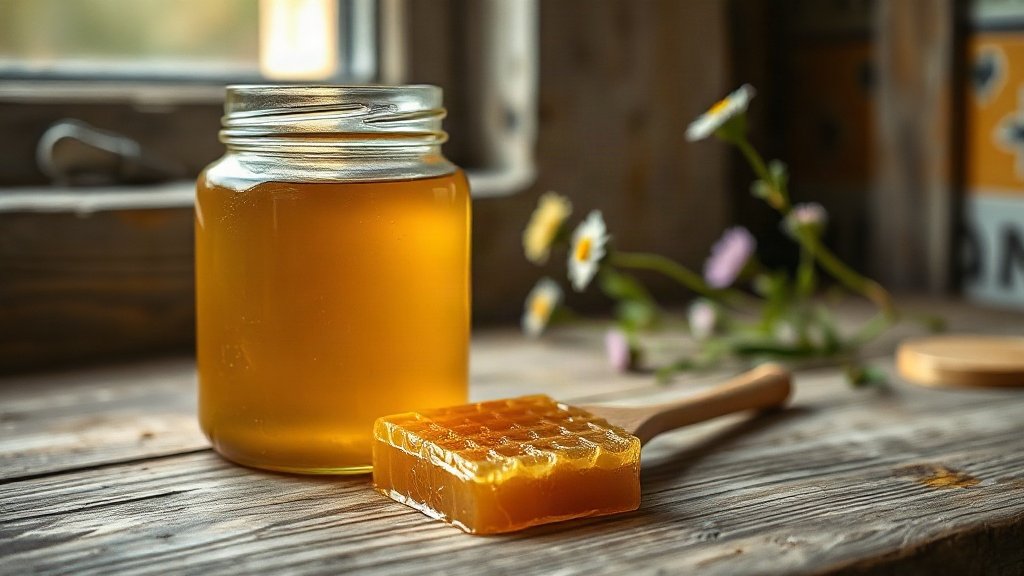
Illustration: AI-generated image
Bulgaria's varied landscape, from sun-drenched plains to cool mountain forests, gives its honey a remarkable range of flavours and aromas. Beekeeping has deep roots here, and the result is a natural product that captures the essence of the country's wildflowers and trees.
A Floral Symphony
The type of honey depends on where the bees forage. Acacia honey, light and clear with a delicate sweetness, is prized for its slow crystallisation. Linden, or lipa, honey has a distinct minty note and a pale amber colour. Sunflower honey is golden and robust, while honeydew honey, made from tree sap rather than nectar, is dark and mineral-rich. Forest and wildflower honeys offer complex, ever-changing profiles that reflect the local flora.
From Hive to Jar
Many Bulgarian beekeepers still use traditional methods, keeping bees in wooden hives and extracting honey without excessive heating or filtration. This preserves the natural enzymes, pollen and subtle flavours. Raw honey is common, and you may find it with small pieces of honeycomb still inside. The country's clean environment and diverse agriculture contribute to honey that is pure and full of character.
How to Enjoy Bulgarian Honey
The simplest way is to drizzle it over a bowl of thick Bulgarian yoghurt, a classic pairing that balances tang and sweetness. It also shines in a cup of herbal tea, especially with mint or mountain herbs. For baking, try it in traditional recipes like medenki, honey-spiced biscuits, or use it to glaze roasted meats for a caramelised finish. A spoonful stirred into warm milk is a comforting bedtime treat, and it pairs beautifully with white cheese and walnuts on a meze platter.
When shopping for Bulgarian honey, look for jars from small producers at local markets or farm shops. The label will often state the floral source and the region. Involving children in a honey tasting is a fun way to explore the differences between varieties. Whether you prefer the light sweetness of acacia or the deep intensity of honeydew, Bulgarian honey offers a taste of the country's natural wealth in every golden drop.