Bulgaria's Free Zones: A Practical Guide for Importers and Exporters
Free zones in Bulgaria offer customs duty relief and simplified procedures for businesses moving goods through the country. Here's how they work and where to find them.
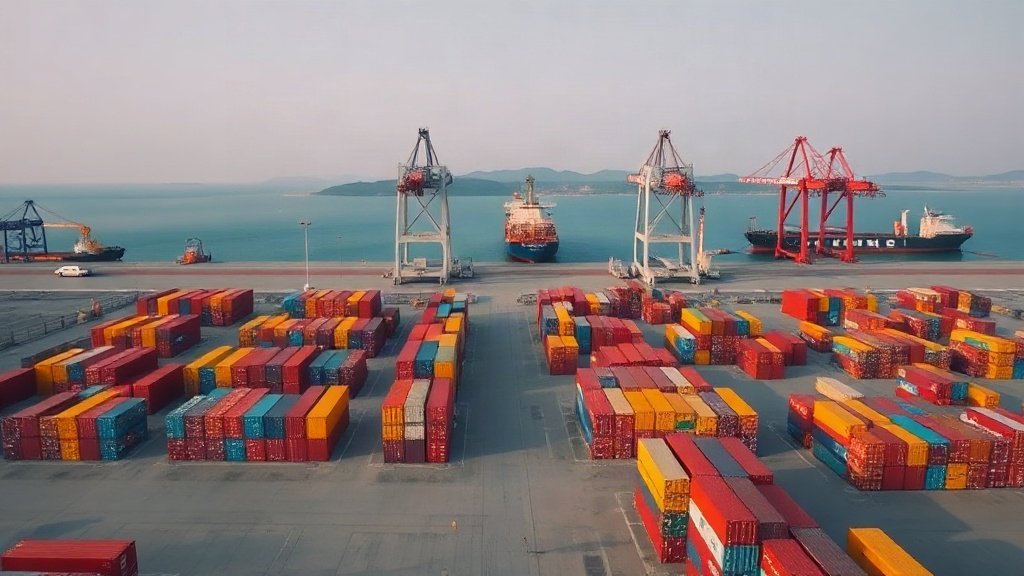
Illustration: AI-generated image
For companies that move goods across borders, Bulgaria's free zones provide a flexible and cost-effective environment. These designated areas allow businesses to store, process, and even manufacture products without immediately paying customs duties or import VAT. Whether you are shipping by sea, road, or river, understanding how free zones operate can help streamline your supply chain.
What is a Free Zone?
A free zone is a specially designated area within Bulgaria where goods are treated as being outside the customs territory of the European Union for the purposes of import duties and VAT. The legal framework is set out in the Free Zones Act. Goods entering a free zone can be stored, repacked, assembled, or processed without triggering customs formalities until they leave the zone for the domestic market or another EU country. If goods are re-exported outside the EU, no duties are ever paid.
Where Are Bulgaria's Free Zones?
Bulgaria has several free zones strategically located near major transport corridors:
- Free Zone Burgas – adjacent to the Port of Burgas and close to Burgas Airport, ideal for sea and air freight.
- Free Zone Varna – linked to the Port of Varna on the Black Sea, serving as a gateway for trade with Asia and the Middle East.
- Free Zone Plovdiv – situated along the Trakia motorway in central Bulgaria, offering excellent road connectivity for distribution across the Balkans.
- Free Zone Ruse – located on the Danube River at the border with Romania, providing access to river and rail transport.
- Free Zone Svilengrad – near the borders with Turkey and Greece, a key point for road freight to and from those countries.
Key Benefits for Businesses
Operating from a free zone offers several advantages for importers and exporters:
- Duty and VAT deferral: No customs duties or import VAT are payable while goods remain inside the zone.
- Simplified procedures: Customs controls are less intensive, reducing paperwork and clearance times.
- Unlimited storage period: Unlike bonded warehouses, free zones typically allow goods to be stored indefinitely.
- Value-added activities: You can repack, label, assemble, or even manufacture goods before deciding their final destination.
- Shared infrastructure: Zones often provide warehousing, office space, and utilities at competitive rates.
Who Can Use a Free Zone?
Any company, whether Bulgarian or foreign, can operate in a free zone by signing a contract with the zone operator. Common users include logistics providers, traders, light manufacturers, and e-commerce fulfilment companies. Retail sales to final consumers are generally not permitted within the zone; goods must be exported or cleared for free circulation before being sold on the domestic market.
Practical Considerations
Choosing the right zone depends on your logistics. For sea freight, Burgas or Varna are natural choices. If your trade is overland with Turkey, Svilengrad is ideal. Ruse works well for river transport on the Danube, while Plovdiv offers central distribution. Keep in mind that even though duties are deferred, you must still maintain proper customs documentation for all goods entering and leaving the zone. VAT is only charged when goods are released for consumption in Bulgaria or another EU member state. Rents and service fees vary by zone and the type of space required, so it is worth comparing options based on your specific needs.
Free zones are a long-established part of Bulgaria's trade infrastructure, offering tangible benefits for businesses engaged in international commerce. By understanding how they work, you can reduce costs, improve flexibility, and gain a competitive edge in the region.





