A Vegetarian's Guide to Bulgarian Food: What to Eat and What to Ask
Bulgaria's cuisine may be known for grilled meats, but the country has a rich tradition of vegetarian dishes. From shopska salad to bean soup, here's how to eat well without meat.
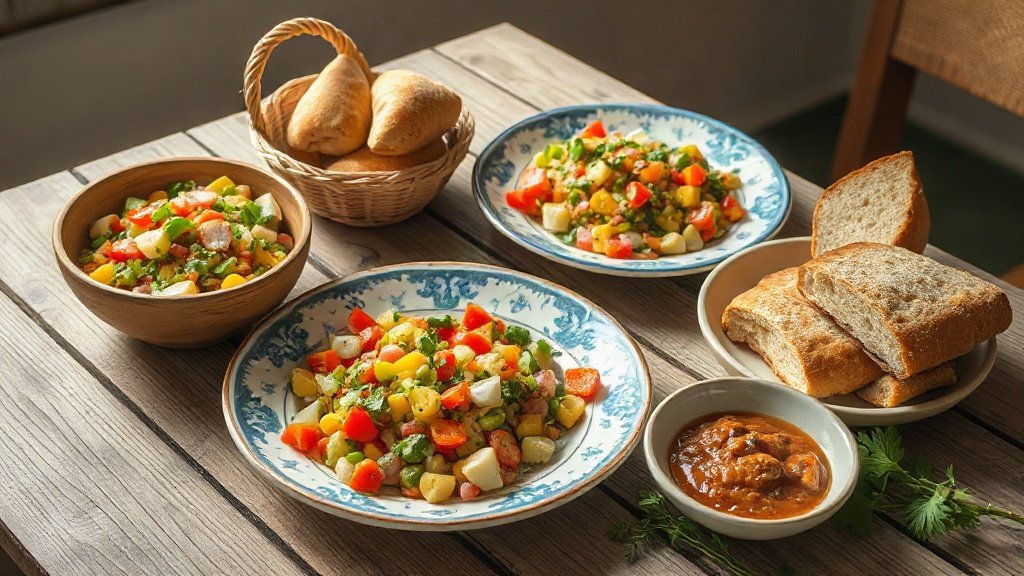
Illustration: AI-generated image
Bulgarian food often brings to mind sizzling kebapcheta and slow-cooked meats, but vegetarians will find plenty to enjoy. The country's Orthodox Christian traditions, which include regular fasting periods, have given rise to a wide array of naturally meat-free dishes. Whether you're new to Bulgaria or just exploring its cuisine, this guide will help you navigate menus and find delicious vegetarian options.
Starters and Salads
Begin your meal with a classic shopska salad—a refreshing mix of tomatoes, cucumbers, onions, and peppers, topped with grated white cheese (sirene). It's a staple on every table and entirely vegetarian. Another popular choice is snezhanka, often called "Snow White salad," made from thick yogurt, cucumbers, garlic, and walnuts. For something more robust, try kyopoolu, a smoky roasted eggplant and pepper spread, typically served with bread.
Soups
Soups are a cornerstone of Bulgarian cuisine, and many are vegetarian by default. Tarator, a cold soup of yogurt, cucumber, garlic, and dill, is perfect for hot summer days. Bob chorba, a hearty bean soup, is usually made with vegetables and herbs, though some versions include sausage—ask for it "bez meso" (without meat). Leshta chorba (lentil soup) and domatena chorba (tomato soup with rice or noodles) are also excellent choices.
Main Dishes
For a filling main course, mish-mash is a quick scramble of eggs, peppers, tomatoes, and sirene. Gyuvech is a slow-cooked casserole that can be made with only vegetables—look for versions with potatoes, carrots, peppers, and beans. Sarmi (stuffed vine or cabbage leaves) often contain rice and lentils instead of meat, especially during fasting periods. Another regional favourite is patatnik, a potato-based dish from the Rhodope Mountains, typically mixed with eggs and cheese.
Bread and Pastries
No Bulgarian meal is complete without bread. Banitsa, a flaky pastry filled with sirene and eggs, is a beloved breakfast or snack. Mekitsi are fried dough pieces, often served with jam or honey. While most breads and pastries are made with oil or butter, it's worth checking if lard is used in some traditional recipes.
Sides and Spreads
Lyutenitsa is a thick, spicy-sweet spread of roasted red peppers and tomatoes, often eaten on bread or as a side. Kashkaval (yellow cheese) and sirene (white brined cheese) are vegetarian and feature heavily in many dishes. Yogurt (kiselo mlyako) is a national staple, used in everything from soups to desserts.
Dairy and Desserts
Bulgarian dairy products are excellent and vegetarian. Sirene, kashkaval, and yogurt are widely available. For dessert, try palachinki (thin pancakes) with honey or jam, or tikvenik (pumpkin pastry). Baklava and other syrup-soaked sweets are also common.
Tips for Ordering
- Learn key phrases: "Bez meso" means "without meat," and "vegetariansko" means "vegetarian."
- Ask about broth: Some soups and stews may use meat stock, so it's polite to ask.
- Look for fasting menus: During Lent and other fasting periods, many restaurants offer a wide range of vegan dishes, which are naturally vegetarian.
- Check for hidden meat: Dishes like sarmi or gyuvech can sometimes contain minced meat, so always confirm.
With a little knowledge, vegetarians can eat very well in Bulgaria, enjoying the country's rich culinary traditions without compromising their diet.