A Soothing Guide to Bulgaria's Mineral Springs: Tradition, Etiquette and Everyday Wellness
Bulgaria is blessed with hundreds of mineral springs, and visiting them is a cherished part of local life. Here's what to expect and how to enjoy them respectfully.
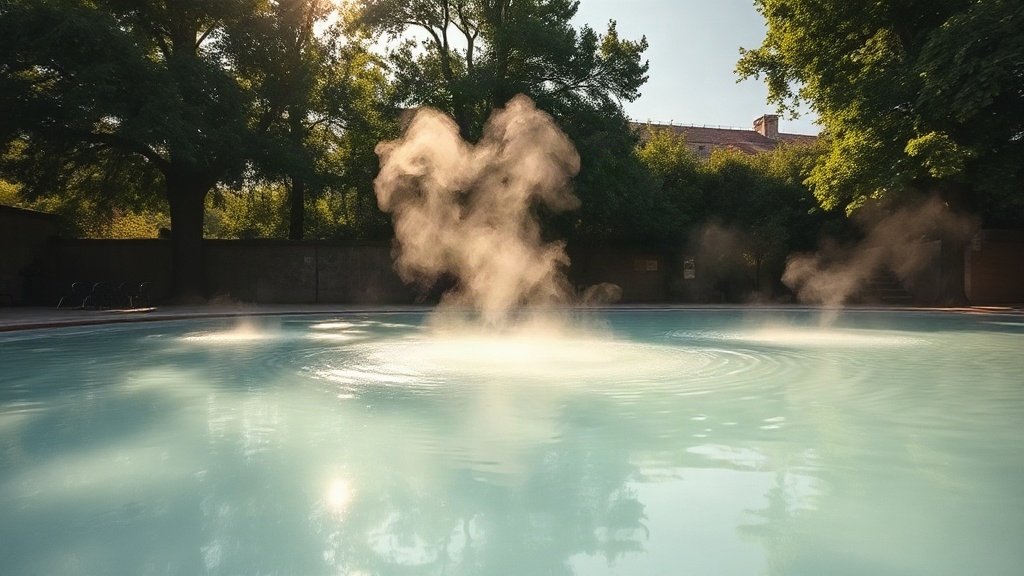
Illustration: AI-generated image
Long before wellness retreats became fashionable, Bulgarians were soaking in mineral waters. With over 700 documented springs, the country is among Europe's richest in thermal resources, and for many locals a visit to the banya is as routine as a trip to the market. Whether you are new to the country or simply curious, understanding this tradition can add a deeply relaxing layer to everyday life.
A Land of Healing Waters
The tradition stretches back millennia. Thracians and Romans built settlements around hot springs, and many of their bathhouses still stand near modern facilities. Towns with "banya" in their name—Sapareva Banya, Velingrad, Hisarya—signal the presence of thermal waters. Each spring has its own mineral composition and temperature, ranging from pleasantly warm to nearly boiling. Locals often say the water "takes the tiredness out of you", and while no medical claims should be made lightly, the warmth and minerals are widely appreciated for relaxation, easing stiff joints and improving skin.
What to Expect at a Public Bath
Public mineral baths vary: some are outdoor pools fed directly by springs, others are indoor complexes built around historic sources. Water temperatures are usually posted, and you will see a mix of elderly regulars, families and tourists. Most baths have separate areas or times for men and women, especially older municipal ones, though modern spa centres may be mixed. Changing rooms are basic but clean; you will need your own towel and swimwear. The water often has a distinct smell—sulphur or iron—which is normal and fades after a shower.
Etiquette and Practical Tips
Bulgarians treat the mineral bath as both a health ritual and a social occasion. A few simple habits will help you fit in:
- Shower before entering. This is expected, not optional.
- Keep voices low. The bath is a place for quiet relaxation, not splashing or loud chatter.
- Respect personal space. Pools can get busy, but avoid crowding strangers.
- Limit your soak. Start with 10–15 minutes, especially in hot water, then rest and hydrate.
- Bring sandals and a bottle of water. The heat can dehydrate you faster than you expect.
If you have a heart condition, high blood pressure or are pregnant, speak with a doctor before soaking in very hot springs. Children should be supervised and kept in cooler areas.
Finding a Spring Near You
Even if you live far from the famous spa towns, many villages and small towns have a local mineral pool or tap. Municipal springs often have free or low-cost access, and locals are usually happy to point you to the "mineralna voda" tap where you can fill bottles with drinking water. Some springs are cool enough for drinking; these often have a slightly salty or fizzy taste and are traditionally taken in small amounts before meals. As you explore, remember that these waters are a shared natural treasure—leave no litter, follow posted rules, and enjoy the same soothing ritual that has welcomed visitors to Bulgaria for centuries.