A Guide to Everyday Etiquette in Bulgaria: Greetings, Gifts and Table Manners
Understanding local customs can make daily life smoother and more enjoyable. Here are some practical tips for navigating social situations in Bulgaria with confidence.
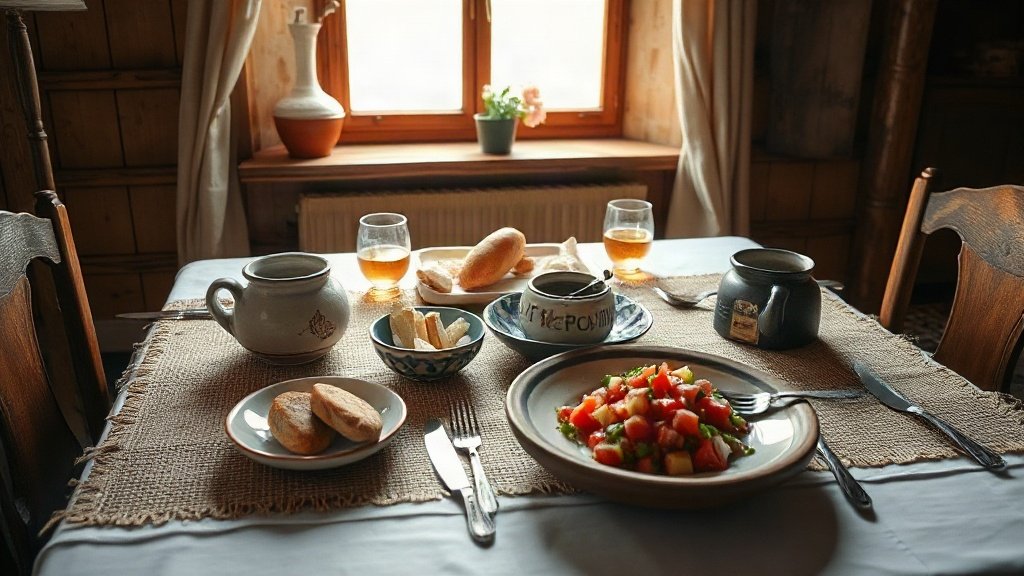
Illustration: AI-generated image
Every country has its own unwritten rules, and Bulgaria is no exception. While Bulgarians are famously warm and forgiving with foreigners, a little awareness of local etiquette goes a long way. Whether you are new to the country or simply want to deepen your connection with neighbours and colleagues, these simple guidelines will help you feel at ease in everyday situations.
Greetings and forms of address
A handshake is the standard greeting in formal and business settings, usually accompanied by direct eye contact and a smile. Among friends and family, Bulgarians often exchange a light kiss on the cheek, starting with the right cheek, though this is less common between men. When entering a shop, a waiting room or a small office, it is polite to say Dobar den (good day) or Zdravei (hello) to those present. You will notice that people use first names much sooner than in some other European cultures, but it is respectful to start with the formal Vie (you plural) and switch to ti (you singular) only when invited.
Social visits and gift-giving
If you are invited to a Bulgarian home, it is customary to bring a small gift. Flowers are always appreciated, but avoid chrysanthemums, which are associated with funerals, and give an odd number of stems. A box of chocolates, a bottle of wine or something sweet from your own country are also safe choices. Remove your shoes at the door unless your host insists otherwise, as many Bulgarian homes have a no-shoes policy, especially in winter. When you are offered food or drink, accept at least a little—refusing outright can be seen as unfriendly. That said, do not feel obliged to finish everything on your plate; leaving a small amount shows you were satisfied rather than still hungry.
Table manners and toasting
Meals are a social event, and Bulgarians take their time over them. Wait for the host to say Priyaten apetit (enjoy your meal) before starting to eat. Keep your hands visible above the table, but avoid resting your elbows on it. When toasting, it is traditional to look each person in the eye as you clink glasses, especially when drinking rakia or wine. The most common toast is Nazdrave (to your health), and it is polite to wait for the host to make the first toast. If you are the guest of honour, you may be expected to return the gesture later in the meal.
Dress and appearance
Bulgarians generally dress neatly and pay attention to their appearance, even for casual outings. In cities, smart-casual is a safe default for restaurants, cafes and public buildings. On religious holidays or when visiting churches, dress modestly: shoulders and knees should be covered, and women may be expected to wear a headscarf in some monasteries. For everyday errands, jeans and a clean shirt are perfectly acceptable, but beachwear is only for the beach.
Conversation topics and gestures
Bulgarians are direct communicators and appreciate honesty, but they also value warmth and humour. Safe topics include food, family, travel and Bulgarian culture—most people are proud of their heritage and happy to share recommendations. Avoid initiating conversations about politics or controversial historical interpretations, as these can become heated. One important gesture to remember: Bulgarians nod their head up and down to mean “no” and shake it from side to side to mean “yes.” This is the opposite of most of Europe and can cause confusion, so it is worth practising until it feels natural.
Ultimately, the best rule is to observe and ask. Bulgarians are quick to forgive cultural missteps and will appreciate your effort to understand their ways. A warm smile and a sincere Blagodarya (thank you) open many doors.





