A Guide to Choosing and Caring for Bulgarian Textiles: Rugs, Embroidery and More
Bulgarian homes are full of beautiful, handcrafted textiles. Learn how to spot quality pieces, understand their regional roots, and keep them looking their best for years.
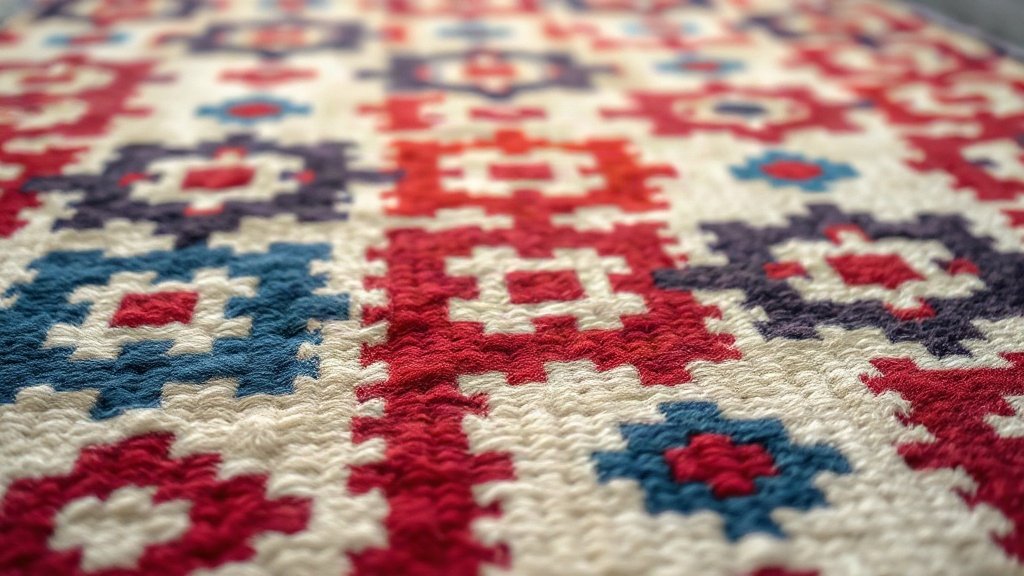
Illustration: AI-generated image
Bulgarian textiles are more than just decoration; they carry centuries of history and regional identity. From thick wool rugs to delicate embroidered cloths, these handmade items add warmth and character to any home. Here is how to choose pieces you will love and keep them beautiful for years to come.
A Tapestry of Regional Traditions
Bulgaria is home to several distinct textile traditions, each with its own colours, patterns and techniques. The town of Chiprovtsi in the northwest is famous for its thick, double-sided carpets woven on vertical looms. These rugs often feature geometric shapes, stylised flowers and animals in deep reds, blues and creams. Further east, the town of Kotel is known for lighter, more finely woven carpets with intricate detail.
Embroidery is another treasured craft. In the Samokov region, you will find delicate white-on-white work, while the Rhodope Mountains are known for bold red and black patterns. Historically, every village had its own motifs stitched onto sleeves, aprons and headscarves, making each piece a map of its origin.
Homespun fabrics made from wool and linen were the backbone of everyday life, used for rugs, blankets, tablecloths and traditional costumes. Today, these textiles are sought after for their durability and rustic charm.
What to Look For
When choosing a piece, look for signs of handmade work. Slight irregularities in the weave or embroidery are a good thing; they show a human touch. Machine-made items are perfectly uniform and lack the character of handcrafted textiles.
Check the materials. Traditional pieces use natural fibres like wool, cotton and linen, often dyed with plants such as madder root, walnut husks or indigo. These colours have a soft, muted quality that synthetic dyes cannot quite match.
Examine the edges of a rug. Hand-knotted or hand-woven pieces will have visible knots or a fringed edge, while machine-made rugs have a uniform, glued backing. The back of a handwoven carpet often mirrors the front, a sign of true craftsmanship.
Caring for Your Treasures
Proper care will keep your textiles beautiful for decades. For rugs, vacuum regularly to remove dust, and rotate them every few months to prevent uneven wear. Shake smaller rugs outside occasionally, and spot clean spills with a mild soap and a damp cloth. For deep cleaning, it is best to consult a professional who understands handmade textiles.
Embroidered cloths and delicate fabrics should be hand washed in cool water with a gentle detergent. Do not wring them; instead, roll the wet piece in a towel to absorb moisture, then lay it flat to dry. Iron on the reverse side while slightly damp to preserve the stitches.
When storing textiles, avoid plastic bags, which trap moisture. Use cotton sheets or acid-free tissue paper, and protect wool pieces from moths with cedar blocks or dried lavender. Keep everything away from direct sunlight, which can fade natural dyes over time.
With a little attention, your Bulgarian textiles will last for generations, connecting your home to a rich craft tradition that continues to thrive.