A Guide to Bulgarian Easter: Dyed Eggs, Kozunak and the Traditions That Make It Special
From the first red egg to the sweet braided bread, Easter in Bulgaria is a celebration of colour, family and centuries-old customs.
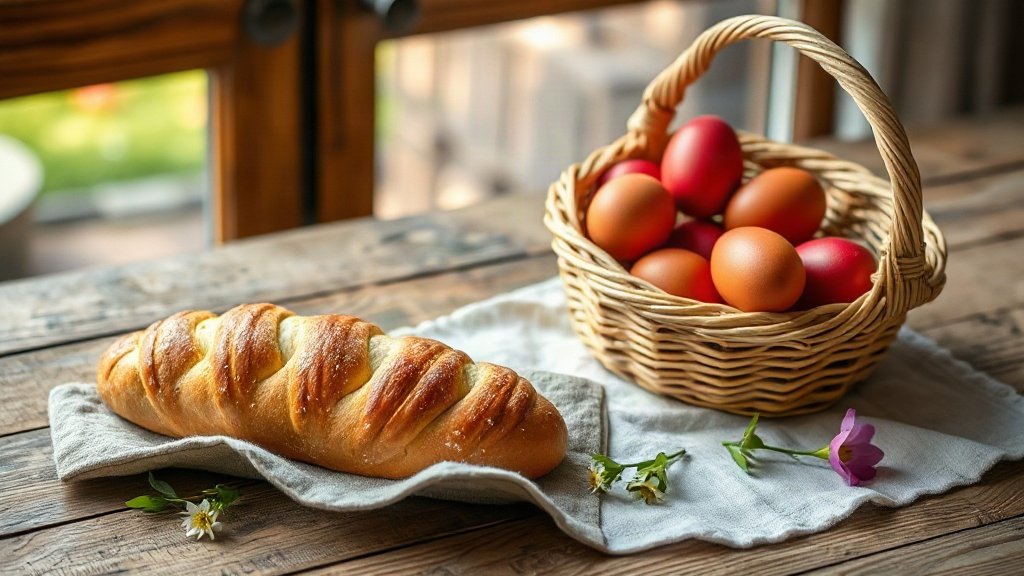
Illustration: AI-generated image
Easter, known as Velikden in Bulgarian, is the most significant holiday in the Orthodox Christian calendar. It is a time when families gather, tables overflow with festive dishes, and traditions that have been passed down for generations come alive. Whether you are a long-time resident or a curious newcomer, understanding these customs adds a deeper layer to living in Bulgaria.
The First Red Egg
One of the most cherished Bulgarian Easter traditions is the dyeing of eggs, particularly the first egg, which must be dyed red. This takes place on Holy Thursday, before sunrise, by the oldest woman in the household. The red colour symbolises the blood of Christ and the renewal of life. After the first egg is dyed, it is often placed near an icon or kept safe until the next Easter as a blessing for the home. For the rest of the eggs, families typically use natural dyes made from onion skins, beetroot, or commercial dyes, creating a colourful basket for the holiday.
Kozunak and Other Easter Breads
No Bulgarian Easter table is complete without kozunak, a sweet, braided bread enriched with eggs, butter, and sugar, often studded with raisins or Turkish delight. The dough is kneaded with care, and the braiding is said to represent the Holy Trinity. In some regions, kozunak is baked in a round shape, while in others it is formed into long loaves. It is traditionally eaten after the midnight church service on Easter Sunday, when the forty-day Lenten fast is broken.
Egg Tapping: The Friendly Competition
After the festive meal, Bulgarians of all ages take part in egg tapping, known as choukane s yaitsa. Each person selects a dyed egg and taps it against another's egg. The goal is to crack the opponent's egg while keeping your own intact. The person with the last unbroken egg is believed to enjoy good luck and health for the year. This simple game brings laughter and friendly rivalry to every Easter gathering.
The Easter Sunday Feast
The Easter meal is a grand affair, marking the end of fasting. Roast lamb is the centrepiece, often served with fresh salads, spring greens, and plenty of bread. The table is also laden with the dyed eggs, kozunak, and other traditional dishes such as banitsa with lucky charms. In many homes, the meal begins with each family member taking a piece of kozunak that has been blessed at church.
How to Join the Celebration
If you are new to Bulgaria, Easter offers a wonderful opportunity to connect with local traditions. You can:
- Attend a midnight church service on Holy Saturday to witness the passing of the holy light and the ringing of church bells.
- Try your hand at making kozunak using a family recipe or a trusted online guide.
- Dye eggs naturally with onion skins for a rustic, traditional look.
- Join an egg-tapping game with neighbours or friends — it is a universal icebreaker.
Easter in Bulgaria is more than a religious holiday; it is a celebration of spring, family, and continuity. By embracing these customs, you add your own thread to the rich tapestry of Bulgarian life.