A Guide to Bulgaria's Chitalishta: Community Centres for Culture and Learning
Discover the chitalishte, Bulgaria's unique community cultural centre, where locals and newcomers can join classes, borrow books and take part in folklore groups.
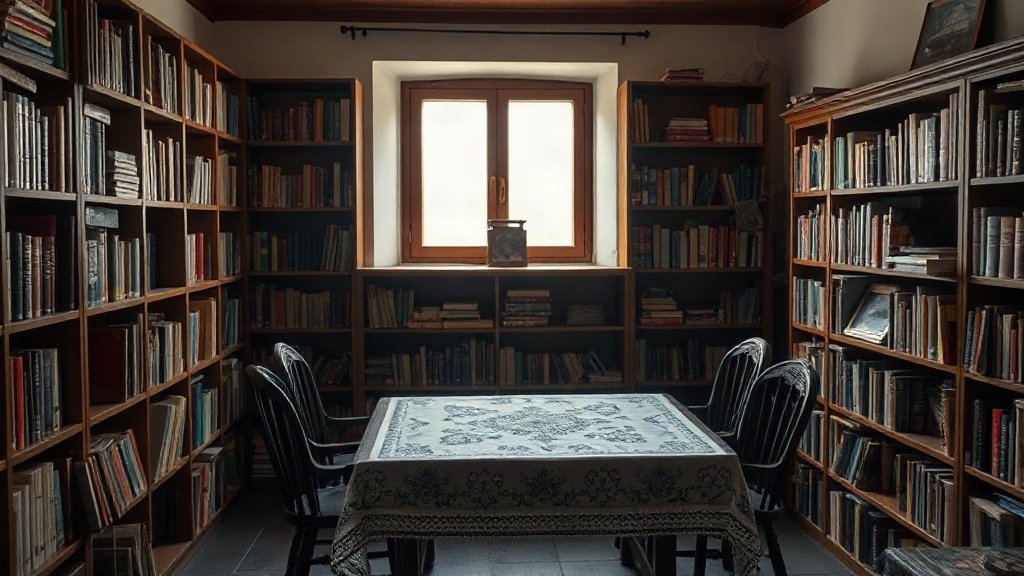
Illustration: AI-generated image
When moving to a new country, finding a place where you can meet locals, learn new skills and feel part of the community can be a challenge. In Bulgaria, that place has existed for over 150 years and goes by a name you will soon hear often: the chitalishte (pronounced chee-tah-leesh-teh). These community cultural centres are a beloved institution found in almost every town and village across the country.
Originally established in the mid-19th century as reading rooms and hubs for national revival, chitalishta have evolved into vibrant multifunctional spaces. Today they remain at the heart of Bulgarian cultural life, offering everything from libraries and language courses to folk dance groups and craft workshops.
What You Will Find Inside
While each chitalishte is unique, most share a common core: a public library with a broad collection of Bulgarian and sometimes foreign-language books, a hall for performances and rehearsals, and several rooms used for classes and clubs. Many also house amateur theatre troupes, choirs, and folk ensembles that welcome beginners.
Typical activities include traditional Bulgarian dance (horo), singing, instrumental music, painting, pottery, and photography. Some larger chitalishta offer language classes in English, German, or other languages, as well as Bulgarian for foreigners — a wonderful opportunity for newcomers to improve their language skills in a friendly, low-pressure environment.
How to Get Involved
Joining a chitalishte is usually straightforward. Most operate on a membership basis, but fees are often very modest, and many activities are free or have a small charge to cover materials. You can visit during opening hours, ask at the front desk about available classes, and often join a taster session before committing.
For expats and newcomers, the chitalishte is a gateway to Bulgarian traditions and social life. You might find yourself learning the steps of a lively horo, trying your hand at embroidery, or simply chatting with neighbours over a cup of coffee after a rehearsal. It is also a place where you can offer your own skills — many chitalishta welcome volunteers to teach or lead workshops.
To find your local chitalishte, check the municipal website or ask at the town hall. They are usually located in a central, historic building, often with a sign that says 'Читалище'. Don't be shy — Bulgarians are proud of their chitalishta and will be happy to show you around.
In a society that values community and tradition, the chitalishte is more than a building. It is a living link between generations and a welcoming space for anyone who wants to learn, create and connect. Whether you are staying for a season or a lifetime, stepping inside is one of the best ways to truly feel at home in Bulgaria.