A Beginner's Guide to Bulgaria's Chitalishta: Community Hubs for Culture and Learning
Discover how these unique community centres can help you settle into Bulgarian life, from language classes to folk dance and beyond.
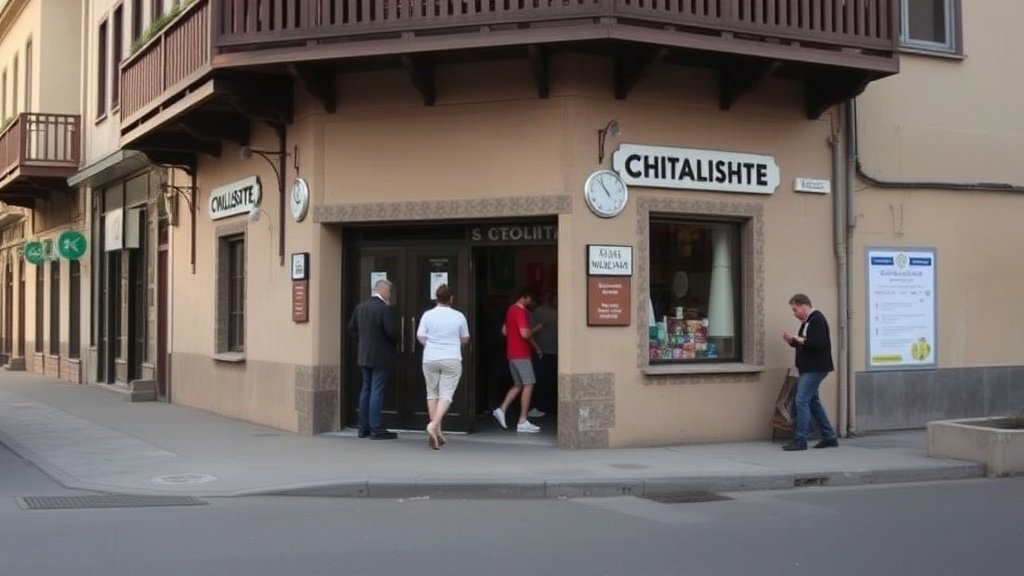
Illustration: AI-generated image
When you first arrive in Bulgaria, you may notice a building in nearly every town and village with the word chitalishte (читалище) above the door. It is not a school, a library, or a town hall, yet it often serves as all three. The chitalishte is one of Bulgaria's most cherished institutions – a community cultural centre that has been bringing people together for over 150 years. For anyone living here, understanding the chitalishte opens a door to local life, friendships, and a deeper connection to Bulgarian traditions.
What exactly is a chitalishte?
A chitalishte is a public cultural and educational institution, typically run by the local community with support from the municipality. The name comes from the Bulgarian verb cheta, meaning "to read", and the first chitalishta were founded as reading rooms. Today, they are much more: they house libraries, host classes and workshops, organise concerts and theatre performances, preserve local customs, and provide a space for amateur arts groups to rehearse and perform. Think of it as a blend of a community centre, a small arts venue, and an adult education college – all rolled into one welcoming place.
A short history
The chitalishte movement began during the Bulgarian National Revival in the mid-19th century, when local intellectuals and merchants established reading rooms to promote literacy, national consciousness, and cultural development. The first chitalishte was founded in Svishtov in 1856, and the idea spread rapidly. After Bulgaria's liberation, chitalishta became official institutions and continued to grow. Through wars, political changes, and economic shifts, they have remained a constant feature of Bulgarian life. Today, there are thousands of chitalishta across the country, from large city centres to the smallest mountain villages.
What you can find inside
Step into a chitalishte and you will usually find a library with books in Bulgarian and sometimes in other languages, a reading room, and a noticeboard listing upcoming activities. Many chitalishta have a small hall used for rehearsals, film screenings, lectures, and celebrations of holidays and name days. You are likely to encounter folk dance groups practising the horo, choirs rehearsing traditional songs, theatre troupes preparing plays, and art or craft workshops. Some chitalishta offer language courses – including Bulgarian for foreigners – as well as computer classes, photography clubs, and other hobby groups. The exact mix depends on the size of the community and the interests of its members.
How to get involved
Getting involved is easier than you might think. Simply visit during opening hours and ask at the library desk or the secretary's office. Most chitalishta are open to everyone, regardless of nationality or background. Joining as a member is usually straightforward and may give you borrowing rights for books and priority for certain activities, but many events are free and open to all. Check the noticeboard or ask about schedules for dance classes, language groups, or workshops. Bulgarians are generally proud of their chitalishta and will be happy to explain how things work. Don't be shy – showing interest is often enough to be welcomed.
Etiquette and practical tips
When visiting a chitalishte, treat it with the same respect you would a library or a cultural venue. Greet staff with a friendly dobar den (good day) and take off your hat indoors, as is customary. Keep noise to a minimum in reading areas, and be mindful of rehearsals or classes in progress. If you have a skill to share – whether it's teaching a language, playing an instrument, or leading a craft session – consider offering to volunteer. Chitalishta thrive on the contributions of their members, and your participation will be warmly appreciated.
Why chitalishta matter
For Bulgarians, the chitalishte is more than a building; it is a living symbol of community spirit and cultural identity. For newcomers, it offers a practical and enjoyable way to integrate into local life. Through the chitalishte, you can learn the language, make friends, discover traditional music and dance, and understand the rhythms of Bulgarian society. Whether you live in a bustling city or a quiet village, your local chitalishte is a resource waiting to be explored.